NEW YORK, NY, September 23, 2026 — Britain has signed off on sending military advisors to Saudi Arabia as Houthi forces stretch their control over Yemen. With fears of new threats to international shipping lanes, Premier Andy Burnham is also considering fresh Swiss appeals from Riyadh. It leaves London delicately balancing between allied support and domestic political rift.
What Saudi Arabia Is Requesting
In the past weeks, Saudi officials have sought new diplomatic and operational military support from the UK. These include requests for assistance in keeping Houthi forces from moving toward the Bab el-Mandeb Strait, a key maritime chokepoint. Riyadh has also asked for help securing its oil facilities against fresh attacks by the Iran-backed group.
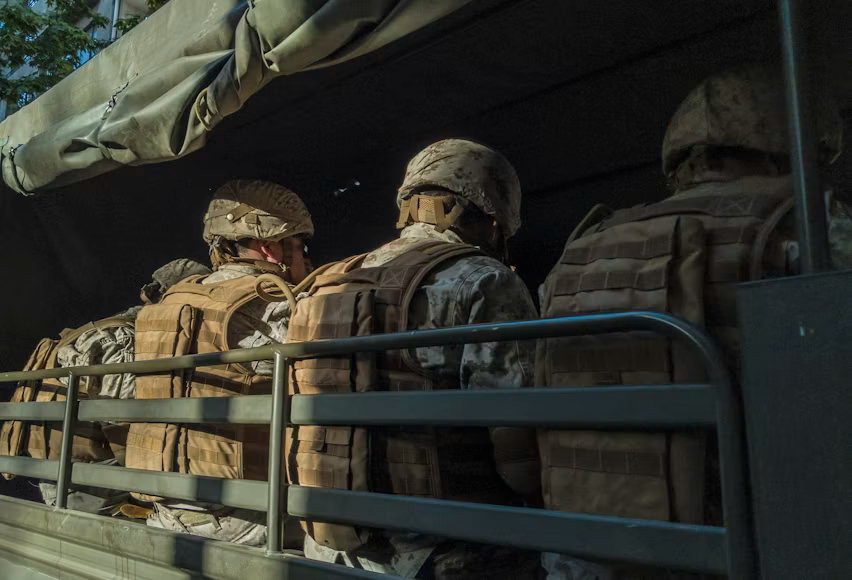
Sources familiar with the discussions say Burnham has endorsed deploying British military advisers to assist Saudi efforts. He has yet to decide whether to grant the broader operational requests made by Saudi officials. Asked whether Britain would approve the use of British air bases, a government spokesperson said only that it would work with partners to help promote regional stability.
The Economic Calculation in London
The UK Treasury is concerned that ongoing escalation could lead to even more volatile inflation ahead of the October budget. The Office for Budget Responsibility is finalizing its forecasts, and John Healey had hoped inflation pressures would ease before the chancellor serves up Rishi Sunak’s first draft. Market fluctuations related to the conflict have, instead, piled on the pressure just when budget planning is about to go into overdrive.
Officials have warned that, as one of them put it, if the Houthis exercised more control over the strait, it could be “catastrophic” for shipping. Oil prices globally have already rallied due to the wider set of tensions between the U.S. and Iran in the region. An even tougher cost-of-living picture would make planning Burnham’s domestic economic path for the new year more complex.
The Political Sensitivity of a Broader Conflict
And Burnham was careful not to look like he was endorsing the continuation of the U.S. military operation there against Iran. Similar to people familiar with government thinking, public opinion on that fight remains largely against Britain going into conflict again. That political reality has defined the extent to which the prime minister will support Saudi requests.
Crown Prince Mohammed bin Salman of Saudi Arabia has gone so far as to personally plead with President Trump to bomb Houthis in Yemen. So far, Washington has thus confined itself to posting its advisers instead of intervening directly. Meanwhile, Foreign Secretary Ed Miliband, in separate phone calls with his Saudi counterpart, has reaffirmed Britain’s solidarity with the Gulf kingdom.
What Comes Next
In a weekslong offensive, Houthis already swept through much of Yemen’s Red Sea coast. The group’s stake in that territory is key, analysts say, since it allows substantial leverage over regional shipping lanes. The Kremlin could use that leverage to raise the stakes for any government potentially more deeply involved in the conflict.
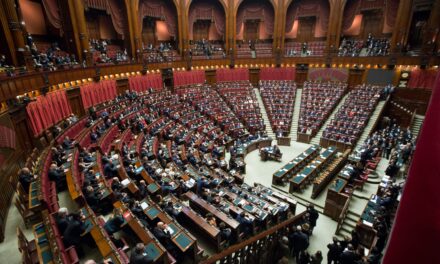
The extent to which Burnham goes on to accept Saudi Arabia’s greater claims may depend on the development of events over the coming weeks. Increasing violence might need his government to act irrespective of political opposition to further military engagement. So far, Britain’s response has been restrained, careful, and very much in keeping with its domestic economic pressures. Defense analysts warn that any expanded British role would probably come under scrutiny from opposition lawmakers hesitant to take on overseas commitments. Parliament has previously needed to sign off on major military deployments, however, which adds yet another process before anything is decided. This procedural obstacle buys Burnham more time to consider the political price of increased engagement.
Separate calls have come from shipping industry groups calling on European governments to work together to address the increased security risks. They cautioned that poorly coordinated national responses may expose commercial craft to heightened risk as the Houthi assault wears on. The insurance costs for vessels passing through the region have already risen significantly in recent weeks.
British support, even in its current limited scope, offers Saudi Arabia a politically significant indicator to both friends and adversaries. As the conflict fails to let up, Riyadh persists in urging other Western governments to make similar pledges. Whether Britain will go further is likely to become clearer over time, as events on the ground unfold.