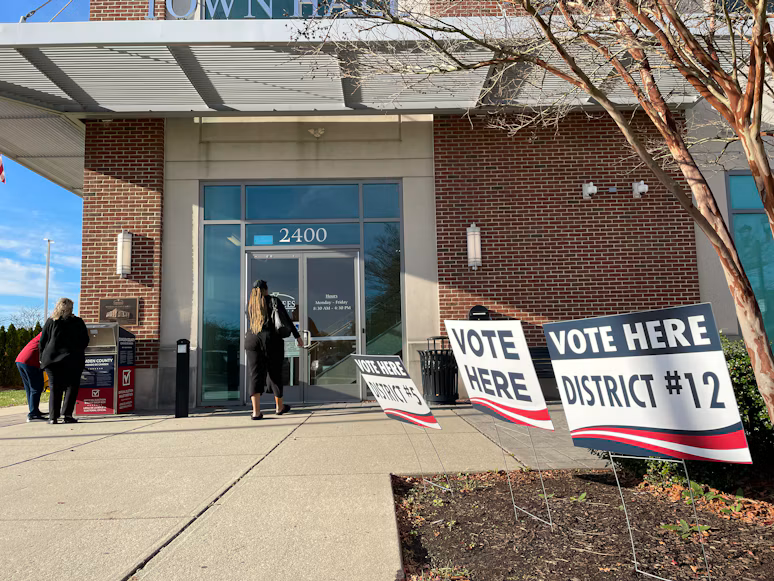
NEW YORK, NY, October 23, 2026 — Cost of living still the number one issue driving how Americans plan to vote nearly two weeks out from Election Day Second behind climate change came making healthcare affordable, especially among Democratic and independent voters. An even newer fear, artificial intelligence, is starting to catch the attention of a smaller but ever increasing sliver of the electorate. Electoral research summaries published by the Pew Research Center analyze voter priority trends and public opinion on key political issues.
Mainly the cost of living still up top
Recent polling has shown an overwhelming majority of voters list inflation and the cost of living as their number one issue in this cycle. Around eight in ten adults report that their cost of living has risen over the past 12 months with fifty per cent saying it has risen a lot. That pattern is less pronounced, though still evident, among Democratic and independent voters, who rate it as more pressing again. Health policy tracking studies published by KFF examine consumer sentiment regarding healthcare costs and economic pressures.
Researchers are cautioning against conflating cost of living with a singular concern: Grocery prices, gas, housing, and healthcare costs tend to merge in how voters actually experience and articulate their financial squeeze. These economic pressures have some overlap with a broader trend KFF Health Tracking Polls have identified throughout the election cycle.
Healthcare costs are a close second.
Health care costs remain a leading issue — particularly among voters troubled by the rising prices of prescription drugs and insurance. A new series of polls shows more than half of adults say costs of healthcare are very important to how they will vote come this fall. This proportion is much more pronounced among Democratic voters than among Republican ones.
The expiration of tax credits tied to the landmark 2010 Affordable Care Act has complicated health care talks in recent months. Voters — even those in the opposition party — say they want candidates to get specifics on premiums and prescription costs. Polling also finds the Democrats currently leading the Republicans on voters’ trust to deal with healthcare issues.
Artificial Intelligence Enters the Conversation
While artificial intelligence is a relatively minor but still-influential issue this cycle compared to cost of living and healthcare. Polling indicates a modest but palpable percentage of voters mention AI and data center development in their top issues for the election. From displacement to the fast-cooking nature in which regulation talks about AI are coming in Congress. Public policy updates published by the Brookings Institution review federal oversight frameworks and artificial intelligence regulations.
Researchers studying public opinion say the political importance of AI has steadily built through the past year. This intersects with economic anxiety, as a number of voters associate the expanding role of AI with some uncertainty regarding future job security. Pew Research Center has been tracking increased public interest in policy issues related to AI during 2026.
What the Data Implies as We Move into November
The final stretch appears to be a vestige of the issue priorities tied to the enthusiasm gaps between parties. This cycle, polling shows that Democratic voters report that they are much more motivated to vote than are Republican voters. Independent voters, however, are decidedly more divided on who they trust the most to deal with rising costs. Voter turnout reports published by the U.S. Election Assistance Commission evaluate voter registration statistics and midterm election trends.
These issue priorities will likely impact turnout ahead of Election Day, with early voting already taking place in nearly every state. In the closing weeks of the campaign, candidates in competitive races have increasingly embraced cost of living messaging. How many healthcare and AI worries turn into definitive votes will be apparent when the votes are tallied on November 3.
How Candidates Are Responding Campaign strategists say this cycle, messaging has so far noticeably shifted towards bare-knuckle economic concerns. Both party candidates used plans to reduce groceries, fuel and housing costs during the recent debate. Artificial intelligence has surged in the polls, but few have based their campaigns entirely around it.
Many lawmakers have responded more directly when it comes to AI, especially around job displacement and where data centers are being developed in their districts. And in competitive races across the country, local worries about the infrastructure needed for AI, from energy to land, have emerged. As rare awareness and familiarity with AI continues to grow in the electorate, analysts expect AI-related messaging to ramp up even further in future election cycles.
The parties are equally contending for voter trust on addressing these concerns. Independent voters especially, say they still doubt either side will do anything to actually bring down their cost of living. That skepticism may affect both turnout levels and which candidates are ultimately the beneficiaries of this cycle’s leading issues.