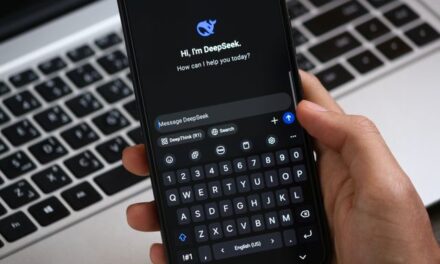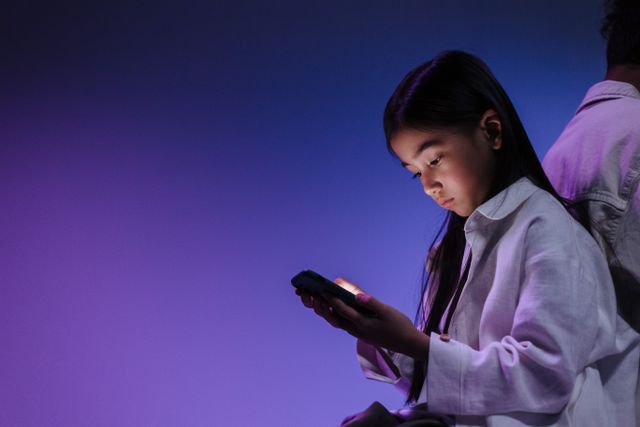
NEW YORK, September 5, 2026– Walk into almost any high school hallway right before the morning 8:00 AM bell, and you will see the same ghost town atmosphere: dozens of teenagers standing side by side in dead silence, heads tilted downward, fingers frantically scrolling through TikTok feeds and Snapchat streaks.
It’s an alarming ritual—and frankly, it’s ruining a generation’s ability to learn.
K-12 public and private schools around the country are beginning to take a stand. In states ranging from California to Florida, “bell-to-bell” prohibitions against smartphones and social media usage have been put into practice. While resistance from worried parents and addicted teenagers may have been anticipated, the results are already in: prohibiting the use of smartphones in the classroom is the one policy decision that educators can make that will do the most good at no cost whatsoever.
The mathematics involved in this dilemma is quite simple. Algorithms used on social media such as Instagram and ByteDance’s TikTok have been built with the help of behavioral psychologists specifically for harvesting the attention of adolescents. It’s simply unrealistic to expect a 14-year-old child to avoid his/her notifications while attending an algebra class. Teachers today are no longer competing against boring textbooks but multi-billion-dollar attention algorithms, designed for instant dopamine release every six seconds.
The consequences of such attention-seeking behavior are extremely high. Extensive public health research, including long-term tracking by the CDC Adolescent and School Health Program, highlights a direct correlation between the rise of mobile social media and unprecedented spikes in teen anxiety, persistent sadness, and feelings of hopelessness over the past decade. Meanwhile, peer-reviewed findings published by the American Psychological Association emphasize how unchecked screen time disrupts critical sleep cycles and social development. Bullying, once confined to playgrounds and after-school hours, now follows kids directly into their desks via relentless digital group chats.
Here’s where things get tricky: parents are often the biggest obstacle.
“What if there’s an emergency?” they ask, flooding administrative meetings with exasperated complaints. “I need to reach my child instantly.”
It is an understandable reaction, but let’s be realistic about what’s going on. Tethering your children isn’t making them any safer; it’s making you paranoid while making your child utterly dependent. Prior to 2007, schools were quite capable of handling emergencies via front office telephone systems. Sending text after text in a “shelter-in-place” drill makes it unsafe.
And when districts actually hold the line? The results speak for themselves.
Surprising changes are being reported in some early adopters in Virginia and Ohio following just weeks of implementing pouch systems or drop boxes at lockers. National survey data from the National Center for Education Statistics indicates that schools enforcing strict device policies consistently report lower rates of classroom disruption and higher overall student engagement. In many of these halls, lunchrooms are once again filled with human conversation, eye contact, and unprovoked laughter.
Of course, no one is claiming that seven hours away from the screen addresses all of the issues of privacy and mental health problems affecting today’s youth. They will still spend hours at home scrolling through their devices, and technology companies need to create much stricter regulatory guidelines to keep their information private.
But seven hours per day at school can serve as a haven. When they put those devices away at the start of the school day, we are not depriving them of a valuable tool but restoring their childhood and their minds to each other.