THE SILICON CURTAIN: HOW THE FRACTURED RACE FOR AI CHIPS AND ENERGY IS SPLITTING THE GLOBAL ECONOMY
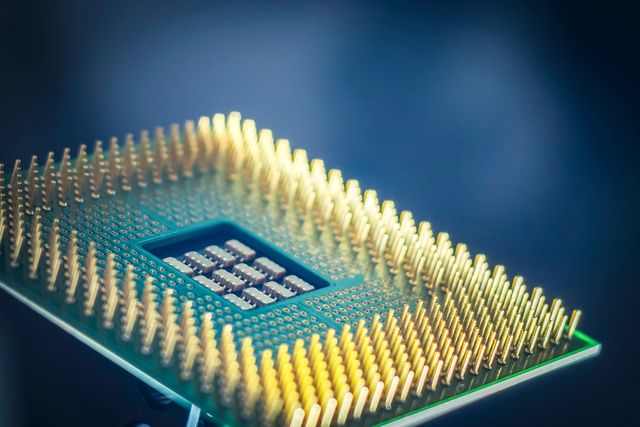
NEW YORK, November 14, 2026 – National security strategy and economic survival are no longer separated by clear policy boundaries. In their place, they meet directly at the factory, the electrical grid, and the server array. It’s not the barrels of oil and straits of chokepoints that make the playing field of global power—the underlying infrastructure of the technology itself does that.
Governments throughout the world are scrambling to get a grip on AI compute capability, semiconductor manufacturing supply chains, and data infrastructure. The implications stretch all the way from factory to power grid. Technology isn’t something separate and removed—technology is the basis upon which geopolitics is built.
This has caused policy conflict to arise between the two continents. There has been an increasing push for digital sovereignty in Europe by policymakers and regulators. In light of Europe’s advanced manufacturing superiority and dependence on non-European-built advanced chipsets and external energy resources, Brussels is beefing up its trade defenses along with strict digital governance laws, such as the European Chips Act and comprehensive digital market regulations.
But this defense stance clashes directly with international platforms based in the United States. The costs of compliance and localization are causing constant friction between Brussels and the international platforms. Brussels sees its laws as crucial measures for sovereignty while international platforms view them as protectionist and slowing down innovation.
Meanwhile, the struggle for supremacy in hardware has highlighted an important physical reality. Data centres are more than software; they require reliable electricity, cooling systems, connectivity, and crucial minerals. Lithium, cobalt, specialized machinery, and advanced lithography machines all are becoming issues of national security, in terms of physical resources required for high-performance computing —a shift increasingly scrutinized under the International Energy Agency’s critical minerals tracking. This limitation is already causing problems for projects being developed; in many hub cities in Europe, development of data centers has been stunted due to inadequate capacity in regional power grids to support them.
The recent report issued by UNCTAD with the title of Trade and Development Foresights 2026: Global economy faces a geopolitical challenge sheds light on how this situation has resulted in global inequalities. With state subsidies, export restrictions, and technology controls defining global trade, developing countries are likely to be left out of lucrative supply chains, where access to raw computing power becomes an issue of competitiveness of the industry.
Here’s the rub: Perhaps true digital sovereignty may become a pipe dream in today’s hyperconnected world. There is no one state that can control all parts of the technological chain, from mining the raw materials, fabrication, and even deploying AI software.
A policy of protecting your own market and using foreign equipment or energy sources poses many paradoxes for policymakers who have to choose between the need for independence and the nature of global interdependence.
In the quest for supremacy in AI, states will soon measure their power by the strength of their silicon-based chain, power grids, and their own digital infrastructure. Will the coming age of tech supremacy result in fragmented digital ecosystems or technologically diplomatic relationships? Only time will tell. One thing is clear – the code of tomorrow’s economy is being written in today’s semiconductor fabs and data centers.
ABOUT THE AUTHOR

Representing the institutional voice of the publication, the NY Journal Editorial Staff offers thoughtful analysis and commentary on the most pressing issues facing New York. We aim to provoke dialogue and offer informed perspectives on policy and leadership.