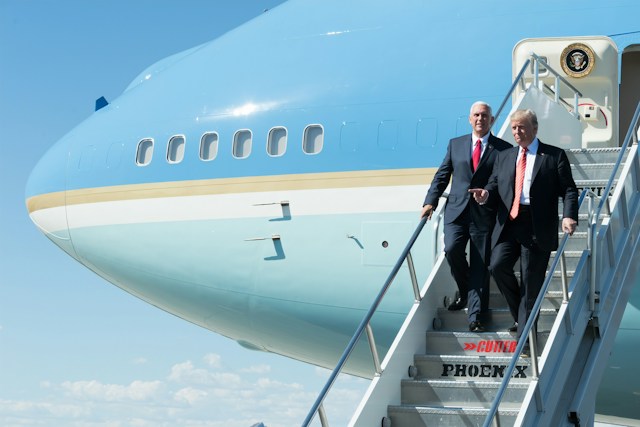
NEW YORK, September 18, 2026 – When President Donald Trump stepped off Air Force One in North Carolina on Wednesday evening, he offered a sentence that sent diplomats from Riyadh to Geneva reaching for their phones.
Asked about the conflict in the Middle East, Trump said, “Hopefully we are towards the end of the war,” adding that Iran had contacted Washington directly.
“They want to make a deal, and we’ll see how that works out,” he told reporters. It was an unusually hopeful assessment after months of military exchanges. But nobody should uncork the champagne yet.
The background of the initiative in question is far from simple. Iran has conducted several missile and drone attacks against Israeli and American targets since major attacks on its infrastructure occurred in February. The Strait of Hormuz continues to remain dangerous due to Iran’s actions, posing a danger to energy resources, commercial ships, and the economies of the Gulf states, which were trying to avoid being part of the conflict.
Why would Tehran seek to contact now? Perhaps the pressure forced Iran to do that. However, direct communication is not the same as defeat, and the words of a president cannot be considered a ceasefire.
This is especially important as declaring an endgame is easy while creating the post-war order is hard.
Trump is expected to meet Gulf leaders on the sidelines of the United Nations General Assembly in New York next Tuesday. The discussions are expected to focus on Washington’s next steps and a “day-after” strategy for the region.
Those talks could become the first serious test of whether diplomacy has substance—or merely better publicity.
All six countries- Saudi Arabia, the UAE, Qatar, Kuwait, Bahrain, and Oman have been threatened by different levels of insecurity and economic risks due to this war, although one should note that it is unknown what representatives will attend the conference until it is officially confirmed. The Gulf states want to see the restoration of the maritime traffic, stabilization of the energy markets, and no attacks against their territories.
“We have been very protective of them,” Trump said while discussing the Gulf states, acknowledging the risks carried by American partners in the region. That protection, however, cannot substitute for a regional settlement.
Iran’s diplomatic overtures are worth noting, but they must be viewed through a lens of caution. In the past, Iranian diplomats have made use of diplomacy along with coercion. An invitation to dialogue can serve multiple purposes simultaneously, including relieving military coercion, understanding American intentions and getting rid of economic coercion. None of these reasons precludes reaching any agreement. And none of them confirms that an agreement will be reached either.
The situation with Israel adds another dimension to the issue. As it appears, Israeli Prime Minister Benjamin Netanyahu is trying to arrange a meeting with Trump in New York. But no such meeting had been confirmed in the sources that were quoted above. Any deal between America and Iran that does not address the security concerns of Israel will have a difficult life ahead of it.
The United Nations has also expressed concern about the impact of the larger war on civilians and commercial shipping. Attacks on ships and threats to the sea lanes have made diplomacy a necessary means rather than a strategic luxury.
So is the war really coming to an end? Perhaps. The evidence will be visible through an enforced ceasefire, a signed deal, guaranteed passage lanes and a proper violation management process.
Unless all these steps are taken, Trump’s optimistic outlook should be seen as an opening, not a result. Hope in Washington City can shift markets and headlines. Peace needs signatures, guarantees and the perseverance to continue negotiations after the cheering stops.