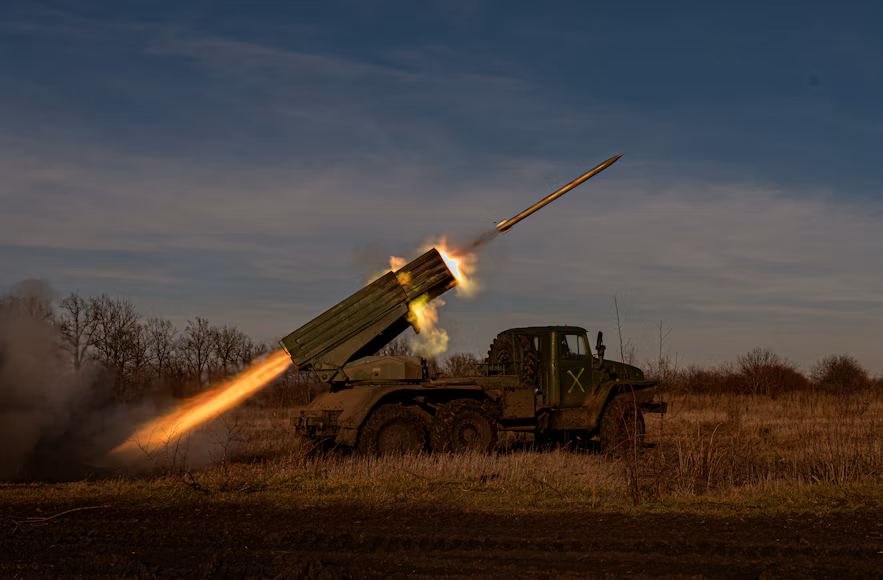
NEW YORK, NY, October 21, 2026 — Ukrainian President Volodymyr Zelenskyy has urged Washington to deliver Patriot interceptor missiles that European allies have already purchased. He says Kyiv has run out of air defense interceptors. Missiles needed to counter their mounting strikes on Ukrainian infrastructure. International diplomatic archives maintained by the U.S. Department of State review bilateral defense agreements and military assistance programs for Ukraine.
A Direct Appeal to Washington
Writing in the Italian newspaper Corriere della Sera, Zelenskyy said that if Washington cannot contain Russian President Vladimir Putin, it should at least let loose the missiles. He called the request a pre-emptive Defence of Ukraine’s energy grid in winter. His remarks came just days after U.S. lawmakers made similar appeals themselves.
The Pentagon has put on hold its official approval for a shipment already paid for, Zelenskyy told a bipartisan group of senators. The transfer has not yet been approved by U.S. Secretary of War Pete Hegseth, he said, Some Countries in Europe have also been said to be waiting for gleans from Washington to ship within their own Patriot Stores. Defense department policy reports published by the U.S. Department of Defense examine military procurement approvals and foreign defense sales.
Washington’s Response
U.S. Secretary of State Marco Rubio dismissed the delay as a politically motivated overturn against Ukraine. He added that several countries, particularly Saudi Arabia and Israel, are themselves looking for the overloaded Patriot systems. The worldwide demand for the interceptor missiles has exceeded operating generation capability in recent years.
A senior Pentagon official speaking to reporters has said there is no alteration in policy on the provision of resources for Ukraine’s air defense needs. That account is at odds with Zelenskyy’s own public statement about getting approvals that took too long and shipments that never happened. The discrepancies between these accounts have since stoked ongoing tensions between the two governments.
Strain in the U.S.-Ukraine Relationship
Kyiv and Washington have experienced increasingly colder ties in recent months with two overlapping disputes. In October, tensions increased when the United States partially lifted sanctions related to a diesel supply deal with Russia. Kyiv has also accused Washington of dragging its feet with intelligence as this week’s missile strikes on Kyiv were prepared.
As U.S. focus has turned toward the intensifying row with Iran, diplomatic initiatives to halt the war have mostly fallen flat. White House envoy Steve Witkoff is said to be meeting with both Ukrainian and Russian officials later this week, reports say. Those meetings might determine whether the missile row is resolved in a matter of days.
The Stakes for Ukraine’s Defense
Ukraine is subjected to drone and ballistic missile attacks on its power grid and civilian infrastructure nearly every day. Officials warn the country faces limitations in protecting critical energy sites over the winter if stockpiles of interceptors are not adequate. The North Atlantic Treaty Organization has already successfully coordinated member states to transfer weapons to Ukraine. International security analyses published by the North Atlantic Treaty Organization evaluate European air defense cooperation and military aid coordination.
Zelenskyy has also mused on possible quid pro quos, such as Ukrainian attacks on Russian refineries for faster weapons deliveries. At this point, however, it remains unclear whether that proposal catches on in Washington. Ukraine’s air defense capability, for the time being, remains reliant on more Pentagon decisions yet to be made.
Frustrations over European officials being held back from transferring systems they already bought without a Washington stamp of approval. A few governments had already said that they were ready to dispatch interceptors as soon as permission was given. This bottleneck has emerged as a source of friction within the wider transatlantic coalition backing Ukraine.
But military analysts say that there is still a global shortage of Patriot interceptors because the manufacturing capacity cannot meet demand. But allocation decisions go far beyond the present row between Washington and Kyiv —the challenges stem from production constraints. Even if all political obstacles are removed, that shortage makes any resolution complicated. Defense industry market reports published by Defense News examine military hardware manufacturing constraints and global missile defense supply chains.
As winter approaches and demand for energy begins to increase, Ukrainian officials say that every week of delay adds risks to civilians. Since October 2022, power infrastructure has been a recurring target of the Russian attack with an aim to undermine morale and the supply of electricity. Given the missile delay, Kyiv contends that it has turned into an urgent military and humanitarian matter.