NEW YORK, November 10, 2026 – The red digits on screen flashed like an alarm bell across trading floors, and for a few tense hours last Thursday, nobody wanted to touch big tech.
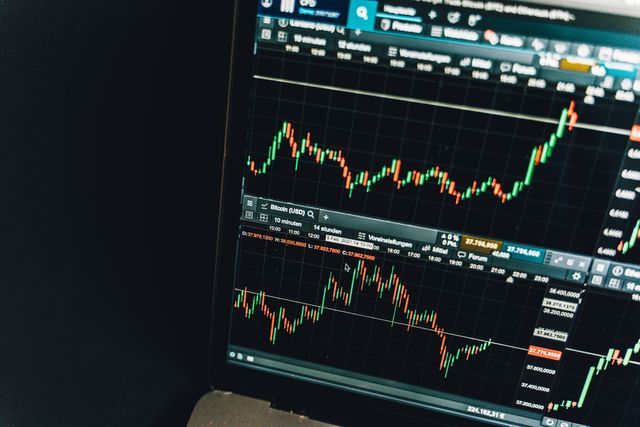
An amazing sum of more than $3.2 trillion in market capitalization was lost in just hours. The Nasdaq fell by 5.5%, whereas the S&P 500 was down by 4.4%, which made it one of the wildest one-day selling sprees this year.
So what actually went wrong?
So the first thing was that it came right from Washington due to political changes that made investors very jittery. The markets started anticipating that there would be a tough time ahead for large technology companies due to the fear of increased regulation on AI technology and infrastructure of data centers. There had been growing opposition against the construction of facilities in several states.
Factor in an already highly elevated P/E ratio amongst leading technology stocks, and you have yourself a market set up for a panic sell-off.
But, as always, traders did not remain subdued for long. Value investors returned to the trading floor on Friday morning, resulting in a fragile recovery that recaptured some of the week’s heavy losses.
Nevertheless, there is still the underlying fear of what will come as investors prepare for an important week ahead. The current focus shifts towards upcoming producer price index data and measures of inflation. Investors are keen to understand if persistent pricing issues could force the Federal Reserve to reconsider the interest rate path before December.
There is also the earnings calendar to consider. Third-quarter corporate earnings reports keep serving as an important test measure of technology infrastructure spending by firms. Analysts are studying the statements for signs that spending has brought actual revenue or needs some revision.
Here’s the rub: No one is sure whether this recent volatility is indicative of the first burst of the overall valuation bubble or merely a constructive structural break. Valuation ratios were inflated to unprecedented proportions, so a correction was almost inevitable. Some experts see the correction as necessary to cleanse excesses of speculation from the market, while others fear that monetary tightening and geopolitical tensions may lead to instability.
The opening of trade this week means that Wall Street is eagerly awaiting confirmation that current valuations are justified by earnings.