NEW YORK, October 26, 2026 – A doughnut soaked in bacon grease is not what most people picture when they think of federal wildlife policy. But this very picture is currently at the heart of a fresh dispute over hunting and conservation and how Alaska’s public lands should be managed.
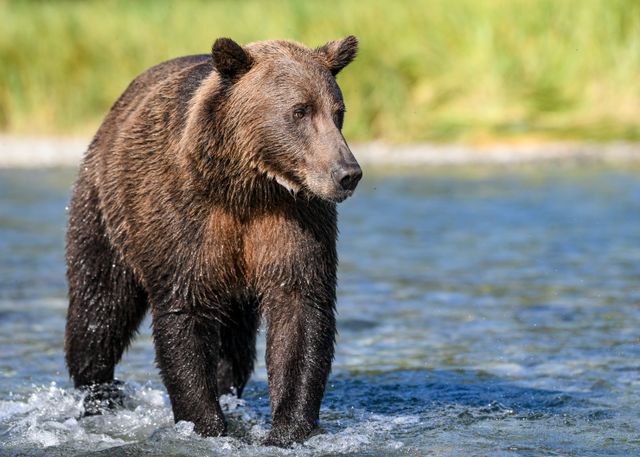
The U.S. Department of the Interior has adopted a rule permitting sport hunters to lure black and brown bears on Alaska’s national preserves with food like doughnuts, bacon fat, and meat scraps. The new rule overrides the 2024 ban put in place by President Joe Biden and will come into force in November.
What the Rule Changes
The federal rule itself does not list any approved foods. Rather, it leaves such a decision up to the hunting rules of Alaska, which allow bear baiting as long as some criteria are met. The common practice of bear baiting among hunters is putting high-fat or high-sugar food into a barrel or drum and watching the site while sitting in the vicinity of the blind.
Interior Secretary Doug Burgum framed the change as a restoration of local control. “This final rule restores that commonsense framework and gives Alaskans a stronger voice in decisions affecting the lands, wildlife and traditions they know best,” he said in the department’s announcement.
This rule only applies to sport hunting in national preserves, which are lands in the system of the National Park Service where hunting is allowed as per the Alaska National Interest Lands Conservation Act. It does not apply uniformly to all acres of federal land in Alaska.
Why Critics Are Alarmed
The conservation and animal welfare societies claim that the policy will create a dangerous feedback loop. Bears that will be trained to connect human beings with food sources can end up coming back to the bait locations or become aggressive toward visitors. A 2024 study published in a peer-reviewed journal conducted by the National Park Service and other biologists revealed that the bears protecting their bait sites presented a “moderate to high” danger to visitors of the parks, as reported by Humane World for Animals.
This is the main issue. It is not about killing bears, which is legal anyway, but training wild animals to link people with food.
“It’s baffling and counter to the mission of the Park Service,” Jim Adams, the Alaska Regional Director for the National Parks Conservation Association (NPCA), said, arguing that allowing greased doughnut bait piles on preserves undermines the agency’s conservation mandate.
A Long Regulatory Whiplash
This fight is hardly new. In fact, the Obama administration banned the procedure initially before being overturned by the first Trump administration in 2020, before the courts got involved, and finally by the Biden administration in 2024.
However, upon his return to power in 2025, Trump signed an executive order requiring the Department of the Interior to repeal the 2024 ban and revert to the previous system. A proposal to make this reversal was made in March by the National Park Service and became final on October 16, 2026.
Thus, we now have a policy that has been swinging between administrations – and one that serves as a clear example of how wildlife management on public lands can involve much more than wildlife management.
What Happens Next
Proponents argue that the state officials and citizens know the local conditions better than the remote federal administrators. On the other hand, opponents claim that conditioning bears to eat human food endangers the lives of both hikers and campers and may resort to court action against the rule.
At any rate, the hunters have got an advantage that was not available to them over the last two years in many preserves in Alaska. Time will show whether the new rule will improve wildlife management in Alaska or increase unpredictability of its wilderness.