NEW YORK, November 13, 2026 – Just walk through any pharmacy aisle or have a listen in a primary care waiting room today and you’ll hear the same acronym mentioned within minutes of each other: GLP-1. This treatment approach for Type 2 diabetes that was quietly developed 20 years ago has become the largest disruption in modern prevention medicine, and, quite honestly, no one practicing medicine knows where the reverberations end.
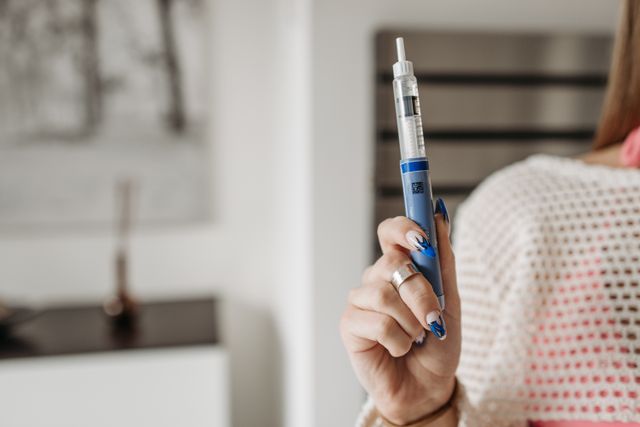
Weekly injections. Quieter cravings. Pounds dropping off patients who spent years cycling through crash diets without budging the scale.
What makes doctors and researchers look at glucagon-like peptide-1 receptor agonists and even at the whole concept of cardiometabolic risks and addiction medicine with fresh eyes? The point is that such drugs do not simply make you lose weight but reproduce the effects of the naturally produced hormones that help with reducing food intake and increase insulin production in the case of high sugar levels in the blood and affect the brain in order to suppress the desire to eat.
In the clinic exam room, there’s no need to have second thoughts about the reasons for such an interest in those therapies. According to Stanford Medicine, GLP-1 receptor agonists and dual GLP-1/GIP agonists lead to 15-20% weight loss on average, depending on the drug; specifically, semaglutide causes about 15% weight loss in non-diabetics while the average weight loss with tirzepatide is 20%. However, individual results can be very different. In addition to that, as shown by the SELECT trial, semaglutide leads to a 20% reduction in major cardiovascular events in over 17,000 individuals with obesity and cardiovascular disease without diabetes.
But clinicians working in the trenches remind us that the reality of the outcomes is not as clean as described in clinical trial brochures. Nausea, acid reflux, and constipation will still be common reasons for people discontinuing treatment within a few months after starting it, emphasizing why it’s important to pay attention to gradual dose increases and medical supervision as opposed to using prescriptions as a quick fix.
And here’s the part that is unpleasant to talk about at the dinner table: when you stop using the drug, your body fights back. A 2026 analysis of over 9,000 people demonstrated that those who discontinued semaglutide or tirzepatide had regained almost 2 pounds each month on average. The STEP 1 extension trial showed that people who stopped the drug regimen regained two-thirds of the weight they initially lost during a year. Taking maintenance therapy will prevent regaining weight, although the high price is a substantial obstacle for many families.
Scientists have found other surprising uses for GLP-1 well beyond the field of endocrinology as well, as pointed out by UChicago Medicine. Researchers are now trying to understand the relationship between GLP-1 and brain reward mechanisms and whether the same mechanism responsible for suppressing cravings for unhealthy foods after dinner may be applied to suppressing alcohol cravings, quitting smoking, and reducing body inflammation. This is still in the beginning stages; it remains to be seen what will happen in long-term trials with large sample sizes.
Rapid weight loss poses some physical challenges of its own. With a quick loss of 40-50 pounds in a short time period without any resistance exercises and protein intake, much of the lost weight will come from losing muscle mass rather than body fat – which is particularly important for older patients. Strength training and dieting have been increasingly recommended by doctors together with medication, but insurers don’t usually pay for nutritionists.
Population-level data further highlights the fact of how steep the adoption curve has gotten—and how limited access still is. Despite its rapid adoption by commercially insured adults, individuals in poor communities and those with Medicaid insurance may have trouble because of prior authorizations, supply limitations, and even exclusions from insurance coverage for GLP-1s.
The GLP-1 genie isn’t going back into the bottle anytime soon; for millions of people living with obesity, cardiovascular disease, and diabetes, these medications provide relief that mere willpower could not. But as adoption rates continue to increase, the clinician, insurer, and patient communities are still figuring out in real time how to cope with the reality of a medical breakthrough that does a lot more than curb your appetite each time you flick open a pen.