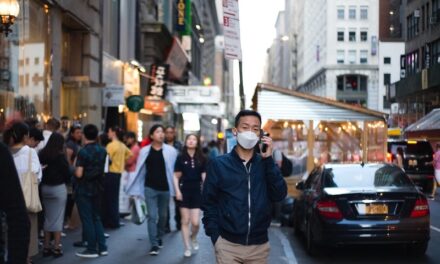
NEW YORK, November 10, 2026 – Emergency room waiting rooms in Pennsylvania all the way to Wisconsin, are under pressure as the persistent outbreak of fever, cough, and the characteristic rash continues to spread.
National surveillance updates from the Center for Disease Control and Prevention show that the CDC has recorded 5,164 cases of measles in 2026 in the United States. This is after 13 continuous weeks of three-digit increases.
So what’s driving the dramatic resurgence of a virus declared eliminated in 2000—meaning endemic transmission had been stopped, rather than the virus disappearing completely?
The reason behind this problem is the stark deficiency in basic vaccine coverage. Statistics from the federal government reveal that 96% of reported infections were among individuals who were either not vaccinated or did not know whether they were vaccinated. Children and teens make up almost 59% of all reported cases.
“I don’t want to jinx it, but it looks like we may be getting on top of it here in Pennsylvania,” said Dr. Paul Offit, an infectious-disease specialist at Children’s Hospital of Philadelphia, during a recent webinar hosted by Brown University’s Pandemic Center. Without a rapid improvement in community vaccination coverage, he warned, measles could regain a foothold in the United States.
Here’s the rub: As the cases rise, the number of hospitalizations is increasing too. About 11% of the cases reported nationwide have required inpatient treatment due to severe complications from the virus. There have been cases of death in recent outbreaks in some states: six deaths in Pennsylvania due to measles, the first death of a child in 30 years in New York due to measles, and a death in Wisconsin.
The five states that have not had any reported cases this year include Arkansas, Hawaii, Mississippi, Nevada, and New Hampshire.
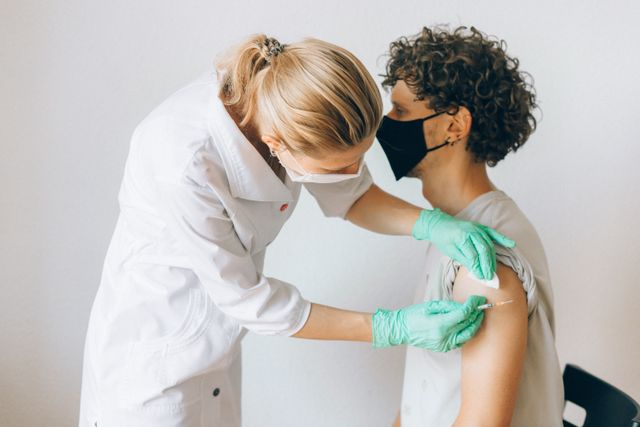
This is important because public health agencies in regions such as Todd County in Minnesota and LaGrange County in Indiana need to trace the contacts and conduct more vaccination drives. Clinic personnel say that they work around the clock to arrange mobile vaccination drives in under-vaccinated populations.
It isn’t clear whether the fall peak will start declining before winter social events kick off. Although specialists such as Offit think that selective communication in highly affected states could help reduce the spread of the virus, the number of infected individuals suggests that the virus has enough opportunities to develop.