NEW YORK, NY, NOVEMBER 16, 2026 — As Public health authorities across the United States delivered a sobering epidemiological announcement, confirming that the nation has officially lost its coveted measles-elimination status. Maintained since the year 2000 through aggressive vaccination campaigns and robust public health surveillance, this hard-won designation has been forfeited due to a disturbing resurgence of preventable infections. The Centers for Disease Control and Prevention reported continuous transmission chains lasting longer than twelve months in multiple states, meeting the precise epidemiological threshold for losing elimination status. Medical professionals and infectious disease experts expressed profound dismay at this historic regression, attributing the outbreak expansion directly to declining childhood immunization rates and vaccine hesitancy. The milestone represents a tragic public health failure in a country with advanced medical infrastructure.
The loss of elimination status carries severe domestic and international ramifications, signaling to global health organizations that domestic herd immunity has eroded to dangerous levels. Measles is one of the most contagious viral pathogens known to science, capable of lingering in ambient air for hours after an infected individual departs a room. Achieving and maintaining community protection requires a persistent vaccination coverage rate of approximately ninety-five percent across all demographic cohorts. Unfortunately, localized pockets of vaccine exemption and vaccine hesitancy have created dangerous immunological blind spots, allowing imported viral strains to spark explosive community outbreaks. Public health clinics in several major metropolitan areas have been overwhelmed by contact-tracing demands and emergency immunization drives. Federal health officials are dispatching epidemiological strike teams to assist local health departments in containing community spread.
Medical historians and epidemiologists emphasized that measles serves as the ultimate canary in the coal mine for public health system integrity. When measles begins circulating unchecked, it invariably foretells vulnerability to other vaccine-preventable diseases such as pertussis, polio, and mumps. The resurgence of a pathogen that was successfully eradicated from domestic soil a quarter-century ago has ignited fierce national debate regarding medical misinformation, parental consent laws, and public health authority. State legislatures are currently reviewing mandatory school immunization statutes, balancing individual liberty claims against the collective right to community health safety. Reversing this alarming epidemiological trend requires an unprecedented, coordinated mobilization of medical practitioners, educators, and community leaders.
Drivers of Vaccine Hesitancy and Immunization Decline
The erosion of vaccination coverage rates is the culmination of complex socio-cultural shifts, amplified by the relentless proliferation of medical misinformation across digital media platforms. In the wake of the global coronavirus pandemic, public trust in traditional scientific institutions, regulatory agencies, and public health mandates suffered measurable deterioration. Opportunistic wellness influencers and partisan political actors capitalized on this skepticism, propagating scientifically debunked myths regarding vaccine safety and efficacy. Consequently, routine pediatric immunization schedules experienced unprecedented delays and outright refusals among hesitant parents. Pediatricians report facing hostile resistance in examination rooms when discussing standard measles, mumps, and rubella inoculations. Countering this tide of misinformation requires empathetic, culturally competent communication strategies rather than bureaucratic lecturing.
Geographical clustering of vaccine exemptions has exacerbated the vulnerability of suburban and rural school districts, creating fertile ground for rapid viral transmission. Certain communities have organized alternative homeschooling networks and exemption cooperatives, insulating unimmunized children from public health oversight. When an infected traveler introduces measles into these insular populations, the virus tears through classrooms and daycare facilities with terrifying speed. Public health departments struggle to enforce statutory school entry requirements due to permissive state exemption loopholes and underfunded enforcement agencies. Pediatric infectious disease specialists warn that unless state legislatures tighten non-medical exemption criteria, localized outbreaks will become a recurring fixture of American life. Restoring herd immunity necessitates closing these legal loopholes and re-establishing rigorous school entry verification protocols.
Furthermore, structural barriers to healthcare access in marginalized urban and rural communities contribute significantly to lagging immunization rates. Families experiencing economic instability, lack of transportation, or absence of a primary medical home frequently miss scheduled pediatric well-visits where routine vaccinations are administered. Underfunded community health centers often lack the staffing resources required for proactive outreach and mobile immunization campaigns. Public health economists emphasize that investing in preventative pediatric care is vastly more cost-effective than managing costly hospitalizations resulting from preventable infectious diseases. Addressing vaccine hesitancy therefore requires a dual-pronged approach: combating digital disinformation while expanding equitable healthcare access for underserved populations.
Clinical Severity and Public Health Complications
To understand the gravity of losing measles-elimination status, the public must recognize that measles is not a benign childhood rash, but a serious, potentially fatal systemic illness. Initial symptoms mimic a severe respiratory infection, featuring high fever, persistent cough, runny nose, and inflamed eyes, followed by a characteristic blotchy rash. However, the virus aggressively suppresses the immune system, inducing a state of immune amnesia that erases immunological memory of prior infections and leaves patients vulnerable to secondary bacterial complications. Up to thirty percent of measles cases experience severe clinical complications, including acute pneumonia, middle ear infections leading to permanent hearing loss, and debilitating diarrhea.
More terrifying are the central nervous system complications associated with measles infection, most notably acute encephalitis and subacute sclerosing panencephalitis. Encephalitis causes severe brain inflammation resulting in permanent neurological disability, seizures, or death in approximately one out of every one thousand cases. Subacute sclerosing panencephalitis is a rare, universally fatal degenerative brain disease that manifests years after initial infection in children who contracted measles at a very young age. Pregnant women who contract measles face catastrophic risks of spontaneous abortion, premature labor, and low birth weight infants. Intensive care units in regional children’s hospitals reported managing complex respiratory distress cases that required mechanical ventilation, straining pediatric critical care capacity.
The economic burden of managing measles outbreaks is staggering, encompassing emergency room visits, prolonged hospital admissions, contact tracing, and mandatory quarantine protocols for exposed individuals. Local public health budgets, already depleted by years of underinvestment, are stretched to the breaking point by the relentless resource demands of outbreak containment. Health economists calculate that every dollar invested in pediatric measles vaccination saves thousands of dollars in averted medical care and societal productivity losses. Medical associations continue publishing unequivocal scientific consensus statements reaffirming the extraordinary safety and efficacy profile of the measles, mumps, and rubella vaccine. Re-establishing community trust in these life-saving inoculations remains the supreme clinical priority for modern medicine.
Path to Restoring Elimination Status
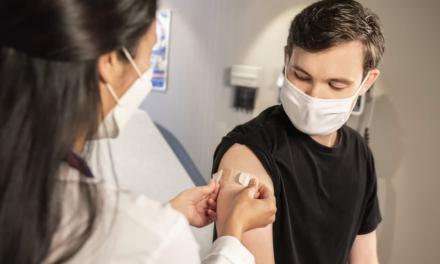
Regaining the nation’s lost measles-elimination status will require a sustained, multi-year public health crusade uniting federal, state, and local medical authorities. The Centers for Disease Control and Prevention has outlined a comprehensive strategic framework emphasizing aggressive catch-up vaccination campaigns for school-aged children. Pediatric practices nationwide are conducting systematic chart audits to identify and recall patients who missed routine well-visits during and after the pandemic. Public health departments are partnering with trusted community leaders, faith-based organizations, and athletic leagues to host weekend immunization fairs in accessible community settings. Proactive community engagement is the single most effective tool for overcoming vaccine hesitancy.
Legislative efforts at the state level must focus on strengthening school immunization verification while preserving necessary medical exemptions. Several states have already introduced bills to eliminate philosophical and religious exemption categories, aligning statutory frameworks with robust public health standards. While these legislative battles generate fierce political friction, public health advocates insist that community protection supersedes individual ideological preferences. Courts have repeatedly upheld the constitutional authority of states to mandate school vaccinations for the preservation of public health. Enforcement agencies must ensure that statutory rules are applied consistently and fairly across all educational institutions.
Ultimately, restoring measles-elimination status is a moral and scientific test of America’s commitment to protecting the vulnerable, especially infants too young to be vaccinated and immunocompromised patients. Modern medicine conquered this devastating scourge decades ago through brilliant scientific innovation and unwavering civic resolve. Allowing measles to regain a permanent foothold in American society represents an unacceptable abdication of public health responsibility. Through relentless community education, barrier-free healthcare access, and courageous legislative leadership, the United States can eradicate domestic transmission once again. Protecting the next generation from vaccine-preventable suffering remains an enduring obligation of civilized society.