Central Park Holiday Market Opens With New Local Food Stalls, Independent Designers and Seasonal Attractions
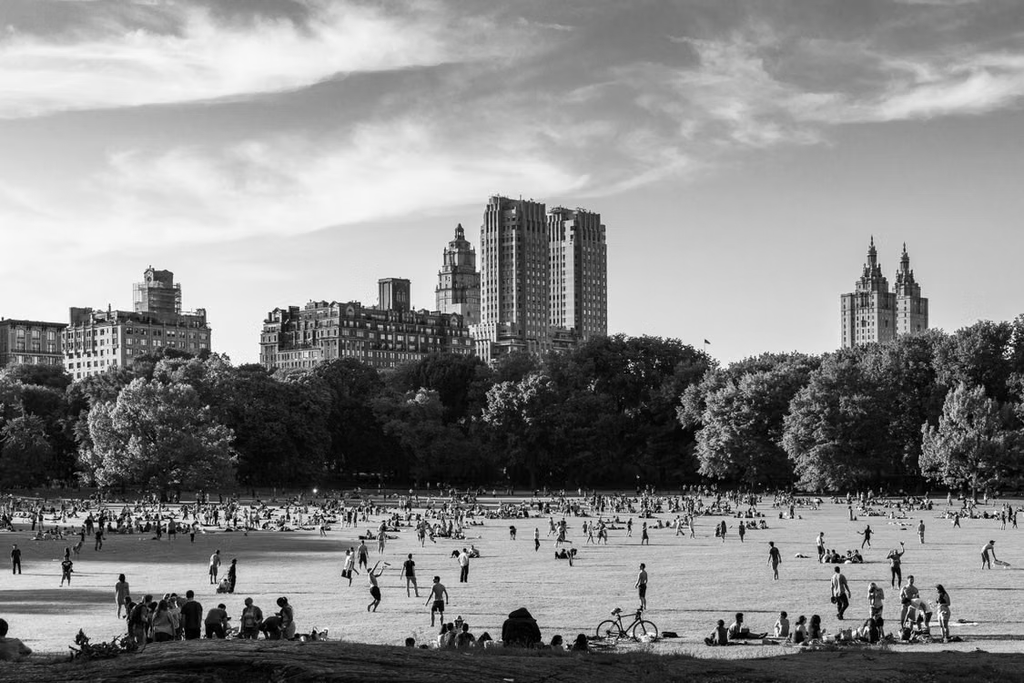
NEW YORK, NY, NOVEMBER 18, 2026 — The annual seasonal holiday market opened today in Central Park, transforming the park into a winter wonderland for all who entered. This year’s bazaar is larger than previous years with more artisanal food vendors, independent fashion designers, and family-friendly attractions. This year’s installation was designed by organizers to promote local businesses and create a lively community gathering space among the fall colors.
The cool breeze of late autumn filled the air with the smell of warm chestnuts and spiced apple cider, while hundreds of people were shopping among unique, locally made wooden ornaments and custom-designed cold weather clothing. Artisans who sell at this event said they are excited about using the platform to help increase their income during the holidays. Tourism organizations in the area expect a record number of visitors due to promotional efforts to showcase how resilient the city is culturally and how much fun there is to have during the holiday season.
Municipal officials cut the ceremonial ribbon at Columbus Circle, commending the creativity of small business owners who are helping to create an active economy in their communities. Personnel from security and park rangers worked together to provide effective crowd control so that everyone was able to walk safely around the large area where the market takes place. Families were able to enjoy new ice-sculpting displays and listen to live acoustic music as it echoed gently along the walkways of the park.
Showcasing Local Artisans and Culinary Diversity
The vendor selection process this year emphasized the inclusion of minority-owned businesses, sustainable artisans, and local culinary innovators representing all five of New York City’s boroughs. Vendors include: artisan-made chocolate bars using local ingredients; soy-based candles poured by hand; and modern clothing made from recycled fabrics. Entrepreneurial chefs who participated in the incubator program noted that the program helped reduce entry barriers for smaller businesses, allowing them to gain access to global tourism markets.
Food vendors created new and exciting seasonal menus that combined the best of traditional holiday “comfort” foods with contemporary “fusion” recipes based upon the various ethnic groups of immigrants who live in New York City. There were long lines at many of the unique food stands where people could buy things like Korean BBQ Bao Buns, artisanal empanadas, and organic hot chocolate with toasted marshmallow toppings. Public health inspectors did their regular health inspections to ensure that each vendor met the high food safety standards required of each vendor.
Artisanal markets provide important seasonal jobs for thousands of creative individuals who live in the area, along with student chefs. The flexible nature of the vendor spaces allow small businesses to try out new ideas for retail sales without having to make a long-term commitment to rent a space in a brick-and-mortar store. Throughout the entire length of the winter festival, local chambers of commerce provide mentoring workshops to those businesses participating in the market.
Community Impact and Seasonal Tourism
Hotel occupancy rates in Manhattan are reported to be high by leaders in the hospitality sector as many individuals travel from other parts of the country for their pre-holiday celebrations and shopping trips. To help manage the large number of people who will be using public transportation during this busy time, public transit organizations have added more frequent service on weekends for the subway lines that run through Central Park. In addition, there are several sustainability efforts being made in the area such as providing comprehensive composting systems and requiring that all food vendor packaging is biodegradable.
Community groups worked with market operators to run charity gift drives and fundraise for local shelter networks. Volunteers handed out warm winter gear to the homeless, and they also collected toys as gifts for children at hospitals throughout the city. The commitment to giving back through philanthropy is an important part of the annual marketplace tradition and continues to reinforce community ties in the winter season.
As the day came to an end, the thousands of twinkling LED lights of the market canopy began to shine, creating a magical atmosphere for both evening walkers and photographers. Performers of local jazz standards and holiday carols, played on acoustic instruments, were heard from a central bandstand that was surrounded by heated seating areas. According to organizers, the market will continue to operate every day until the first few days of January, weather permitting.
Future Outlook and Economic Sustainability
A tremendous response from the first weekend of the event provides validation of the strategic investment in Public Private Partnerships (PPP) that support the development of seasonal public spaces in the city. The city planners are going to use the comments received from visitors and sales figures of vendors to make adjustments to future designs, as well as increase the amount of environmentally friendly infrastructure. The model of collaboration that was utilized in Central Park is a national standard for improving urban public spaces during the less busy times of the year.
Stakeholders continue to be hopeful for ongoing economic development during the busiest shopping week of the year (December) and the celebration of the new year. Economic forecasts for the region predict that there will be high levels of consumer spending in both retail and hospitality. Municipal agencies and cultural organizations continue to work together so that New York continues to be recognized as one of the best places to spend the holidays globally.
The impacts of these changes on metropolitan communities are also being studied by local stakeholders and regional policy analysts regarding their long-term effects on systems. Public input through focus groups and committees at the city level allow for a forum where residents, businesses, and community organizations can make recommendations. To maintain transparency and public trust during the implementation process, there must be a strong commitment to ethical principles so that each person who participates has an opportunity to benefit from the work done as part of the initiative.
In addition, stakeholders in the community and regional policy analysts have begun to study the long term effects of these changes on metropolitan communities. Forums such as community meetings and committees organized by local governments are providing places for residents, businesses, and civic leaders to express positive suggestions for improvement. Transparency and adherence to ethical standards are expected to be critical factors in building public confidence during the process of implementing the initiatives; as well as in achieving fair treatment of all community members affected by the initiatives.
Furthermore, the long-term systemic impact of these changes on metropolitan communities continues to be evaluated by local stakeholders and regional policymakers. Public meetings and municipal committees offer important opportunities for residents, business owners, and civic leaders to offer positive recommendations. At the time of implementation milestones, open dialogue with residents and compliance with high ethical standards will continue to be essential to gaining public support for a fair distribution of benefits among all community members participating in this long-term initiative.
As well as local stakeholders, regional policy analysts continue to analyze the long term systematic impacts of these issues on metropolitan areas. The local community has been provided with opportunities to provide feedback through community feedback sessions and municipal committee hearings; these are critical forums for residents, business owners, and civic leaders to offer constructive suggestions. Transparent communications and strict compliance with ethical guidelines will be necessary to maintain public confidence and equitable results for all individuals within the community that are being affected by this ongoing project.
The long-term systemic impacts of these changes on metropolitan communities are also being studied by local stakeholders and regional policy makers. Public feedback sessions and municipal committee meetings provide a forum for residents, business owners, and civic leaders to make constructive suggestions. As implementation targets draw near, open communication and strict compliance with ethical guidelines will be critical in building public confidence and providing fair treatment to each member of the community who has participated in this long-term project.
Local stakeholders and regional policy analysts are examining the long-term, systemic impacts of these developments on metropolitan neighborhoods. In addition to being able to share their thoughts through community feedback sessions and municipal committee hearings, local residents, business owners, and civic leaders can make constructive suggestions regarding the ongoing initiative. To ensure that the community trusts the process, as well as ensures that all community members affected by the initiative have an opportunity to participate equally, transparent communication and strict adherence to ethical standards must be maintained throughout the duration of the initiative.
ABOUT THE AUTHOR

The NY Journal Newsroom is the heart of our breaking news operations. Operating around the clock, our team ensures that you are the first to know about the most urgent stories developing across the New York metropolitan area.