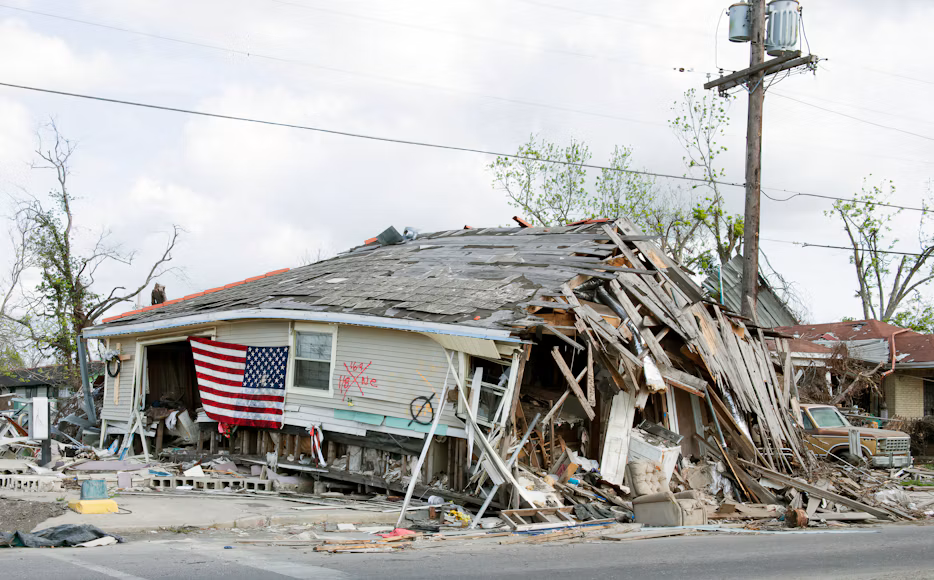
NEW YORK, NY, October 10, 2026 — With no active storm of that name imminently threatening Florida or Alabama, this article revisits the storm’s impact as a nostalgic look back.
How Isaias Unfolded
Hurricane Isaias weakened to a tropical storm off the Bahamas. It then re-strengthened into hurricane strength just before brushing Florida’s east coast. The storm tracked up to the north but was close enough to the coast to parallel Florida, Georgia and the Carolinas.
The storm’s entire path was tracked in real time by the National Hurricane Center who issued official advisories. At the highest point in which warnings were issued, over 79 million Americans had been targeted by its potential path. Isaias eventually made its second landfall close to Myrtle Beach, South Carolina.
Florida’s Experience With the Storm
Florida dodged a direct hit, however nonetheless encountered storm-force situations alongside sections of its shoreline. Tropical storm warnings extended from Boca Raton to the Volusia-Flagler county line. Localized flooding in low-lying coastal places caused heavy rains and impact of wind.
The beaches and coastal communities shut down, expecting the storm. Florida’s building codes, which were designed to withstand much stronger winds, limited any structural damage. Preparation and evacuation planning helped keep injuries low along the state’s coast, officials said.
Alabama’s Different Outcome
Isaias made virtually a direct hit on Alabama’s Gulf Coast, but the storm left no mark in its wake. Forecasters said the projected path of the storm kept it tracking well east of Alabama’s shoreline. More than a separate weak weather front only produced scattered showers across the state that week.
It also dramatized how dramatically hurricane tracks can diverge, just as Florida and Alabama did. A single miscalculation of a hundred miles non direct hit along the way if you will. And that uncertainty is a constant challenge for coastal travel planning today.
Lessons for Coastal Travelers
It was a reminder that storms do not need to make landfall to affect travel plans: Isaias’ outer bands traveled hundreds of miles away from its center of circulation. Well away from the storm’s precise center, tropical storm conditions were present, surf was high and flight delays extended through two counties in South Florida. Effects were reported far beyond the official warning zones and as far north as New York City.
Travelers can consult hurricane safety guidelines ahead of a coastal trip as outlined by the National Weather Service. It is still good advice to build flexibility into travel plans during hurricane season. Avoid last-minute surprises, check official forecasts every day, and don’t trust outdated maps.
Why five years later this is still relevant
The Atlantic basin’s hurricane season spans from June through November every year. Emergency planning protocols from the Federal Emergency Management Agency outline steps communities take during active storm cycles. In the years since, storms have re-formed tracks like that of Isaias, but each comes with a twist. Coastal sites from Florida up to the Carolinas are ironing out last-minute tweaks to evacuation and preparedness tactics that are based on experience from previous seasons.
However, the core advice for travelers with Gulf or Atlantic coast destinations hasn’t changed from previous weeks. Provide room for flexibility of travel plans depending on peak season, track official forecasts and know your evacuation routes. Still, Isaias is a useful real-life lesson in how quickly conditions can turn along the coast.
Booking Trips During Hurricane Season
Travel advisors usually recommend getting refundable or flexible-rate bookings in the busy months for hurricanes. Hotels, airline and vacation rental platform policies vary in relation to cancellations. Avoid significant stress as the storm approaches by reading the fine print before booking.
Coastal trips might also benefit from travel insurance that includes named-storm coverage. Safety advisories published by the U.S. Department of State offer guidance for travelers dealing with unexpected weather disruptions. The logic of these policies usually has to be purchased before a storm is named in order to be applicable. The timing should be relevant for travelers booking last-minute trips during a hurricane season that is still ongoing.
Airlines generally offer, once a storm is clearly projected to hit an area, onset waivers that allow for loose rebooking. Consumer travel tools provided by the U.S. Department of Transportation help passengers understand their rights regarding weather waivers. That might alert travelers in the days before their departure to call or simply go online and see action being taken. Waivers that were implemented during Isaias established trends and many airlines continue to do so for future storms.