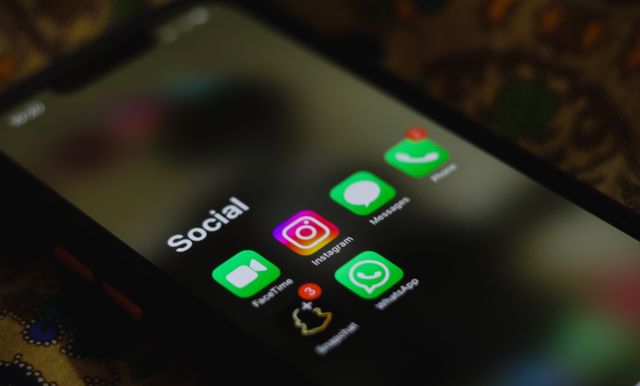
NEW YORK, October 3, 2024 – Marcus Vance wakes up at 6:15 AM, spends forty minutes scrolling through feeds without getting out of bed and then realizes that he hasn’t exchanged a single word with his wife.
That silent everyday moment in a suburban bedroom encapsulates an even bigger trend unfolding throughout the nation. Online networks have changed the way Americans converse, disagree, and make sense of reality, and, to put it bluntly, it’s all very messy.
As the results of a 2025 Pew Research Center survey indicate, 84% of U.S. adults reported that they use YouTube while 71% reported using Facebook. Such high rates of platform adoption clearly demonstrate how deeply integrated online networks are in people’s everyday lives. What’s more, their excessive or uncontrolled usage has been raising worries about anxiety, social comparison, sleep and relationship issues, among other negative impacts.
It’s a bizarre dual reality.
Think about how political rhetoric has evolved in the past ten years. People are not just consumers of news; they have become performers. The analysis offered on StudyCorgi illustrates how social media transformed social activism, allowing regular citizens to circumvent all gatekeepers of the traditional media. It looks like a triumph of democracy, but at the same time, it works both ways, since many public square discussions fall into vicious cycles of reaction and outrage planned to keep people on screens longer.
This issue affects younger generations even more. Younger demographics are immersed in the online world the most. The educational resources collected by the Smithsonian Learning Lab explain how digital worlds influence modern teenage identity and interaction patterns. To get a more health-related perspective, one should turn to the advisory of the US Surgeon General on social media and youth mental health.
Still, declaring technology inherently harmful misses the mark.
Indeed, according to the same study carried out by the Pew Research Center, all the major social media networks continue to enjoy a strong stronghold as indispensable means of making connections for business and discovering news as well as communicating with their families.
So where does that leave American culture?
Somewhere in the middle. The very technology is like a mirror, reflecting all of man’s virtues and vices. Establishing a proper relationship with these machines does not entail giving up on them entirely; rather, it entails creating healthy boundaries for oneself and making better demands regarding platform design. Until then, Marcus and thousands more just like him will continue to tread that fine line.