MTA Awards $119 Million Contract to Rebuild Chambers Street Station, Where a Subway Heat Experiment Is Planned
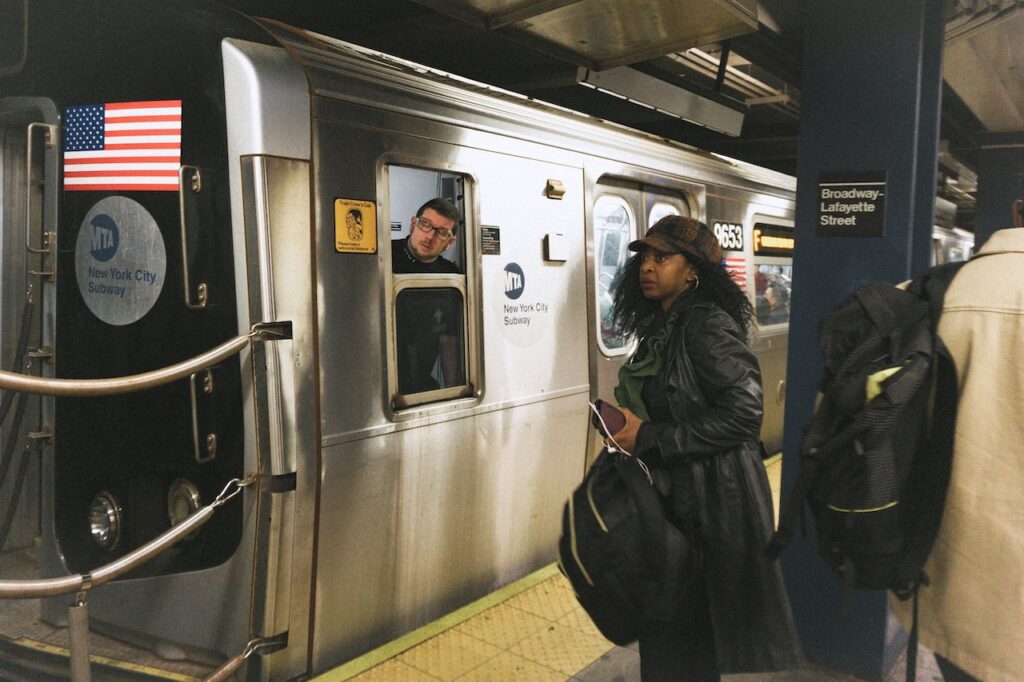
The overhaul of the 113-year-old J/Z station will be coordinated with a city-state study of whether platform heat can be captured and used to warm nearby municipal buildings.
New York – The Metropolitan Transportation Authority has awarded a $119 million contract to rebuild the Chambers Street J/Z station in Lower Manhattan, one of the oldest stations in the subway system, World Construction Network reported on Nov. 19.
The contract went to a joint venture of Forte Construction and Citnalta Construction. The work covers structural steel and concrete repairs, leak mitigation, new ceilings and platform edges, rebuilt stairways, new lighting and security cameras, and restoration of the station’s tiles, mosaics and terra cotta details, according to the report.
The station opened in 1913 and serves about 18,196 riders on an average weekday. The renovation is paid for through the MTA’s 2020-2024 capital plan with revenue from congestion pricing.
“Thanks to congestion pricing, we are finally giving Chambers St station a much-needed renovation,” Gov. Kathy Hochul said, according to the report.
A test site for cooler platforms
The rebuild will be coordinated with a study first announced in August. On Aug. 10, Hochul, Mayor Zohran Mamdani and the MTA said they would study whether a thermal energy network could cool platforms at the connected Brooklyn Bridge-City Hall 4/5/6 and Chambers Street J/Z stations, according to the governor’s office.
Brooklyn Bridge-City Hall is among the hottest stations in the system, with average summer temperatures of 96 degrees Fahrenheit in 2025, officials said. Trains waiting at the 6 line’s terminal add to the heat.
Under the proposal, radiant cooling would draw heat from the platforms and pipe it to geothermal boreholes beneath the abandoned center platform at Chambers Street. The stored heat could then warm nearby city buildings in winter. Officials said the disused platform allows the technology to be tested without disrupting riders.
“We can make our subway platforms cooler and more comfortable while putting wasted heat to work during the winter,” Mamdani said in the August announcement.
The study will cost $800,000 and is funded with congestion pricing revenue, Inside Climate News reported. If it is built, officials said, it would be the first thermal energy network in a U.S. transit system.
What happens next
Officials said in August that the contract for the feasibility study would be awarded this fall, and that design work would begin in early 2027 only if the study confirms the site is suitable. The New York Journal could not find a public announcement that the study contract has been awarded. The MTA has not published a completion date for the station renovation.
Combining the two projects could reduce construction disruption and costs, according to the construction report.
ABOUT THE AUTHOR

The NY Journal Newsroom is the heart of our breaking news operations. Operating around the clock, our team ensures that you are the first to know about the most urgent stories developing across the New York metropolitan area.