Brooklyn Building Collapse Investigation Expands since City Orders Inspections at More Than 160 Construction Sites
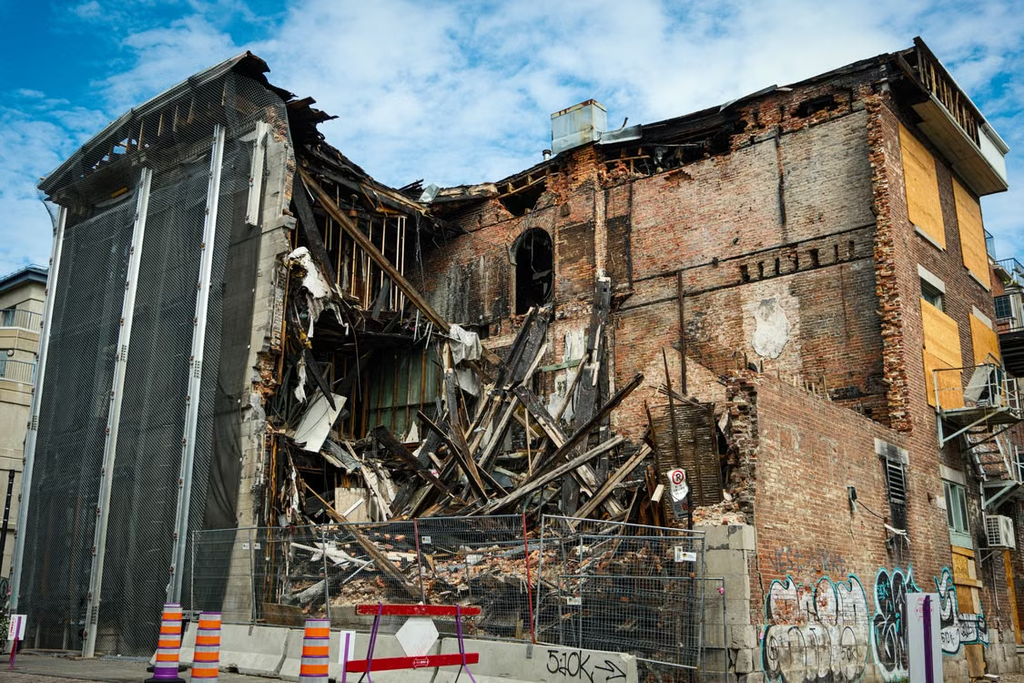
NEW YORK, NY, NOVEMBER 17, 2026 — The city of New York has drastically increased the scope of its forensic investigation into the catastrophic partial collapse of a building in Brooklyn. The city ordered urgent and thorough inspections of safety practices at over 160 ongoing construction projects throughout all five of New York City’s boroughs. This large-scale regulatory response was initiated after a large commercial and residential structure that was being renovated as part of a significant structural upgrade in the vibrant Williamsburg section of Brooklyn collapsed suddenly.
Late that afternoon, the first collapse created an immense cloud of thick grey dust that was blown through many surrounding streets and buried numerous construction workers under a vast amount of splintered wood and reinforced concrete. Immediately following the collapse, emergency services such as search and rescue teams (with dogs) and acoustic listening devices arrived at the site of the incident to perform dangerous rescues during the final hours of sunlight.
The Fire Department worked all night to tunnel into a dangerous debris field and pull out the injured workers. There was a miracle that nobody died immediately after the collapse; however, many people had to go to local hospitals because they were badly crushed, had broken bones, and couldn’t breathe properly due to the dust in the air.
Inspectors from the Department of Buildings, structural engineers, and forensic investigators immediately set up a command center at the disaster site’s perimeter, gathering all available architectural plans, building permit documents, and city-issued violation notices. Based upon their initial preliminary findings, it appeared that unauthorized structural changes, combined with the installation of large mechanical equipment on the upper floors, contributed significantly to the failure of the building’s load-carrying capacity.
The frightening event was immediately made known throughout the city’s government, causing many of its elected officials to quickly request that a “zero tolerance” policy be established in regard to holding dishonest developers and careless building companies responsible.
Unprecedented Borough-Wide Inspection Sweep
After the devastating failure in Brooklyn, Mayor Mamdani and Commissioner of the Department of Buildings have declared a first-of-its-kind borough-wide sweep of all active construction sites that have made major structural changes to their properties, or are currently under a stop-work order. Inspectors will be required to issue an immediate stop-work order, along with significant monetary fines, if they find any structural defects, poor shoring practices, or the property does not comply with its approved engineering plans.
Administrators for City Hall have stated that municipal engineers are scheduled to put in significant amounts of overtime to conduct the comprehensive safety inspections of 160 construction sites throughout the borough of Brooklyn in a short period of two weeks. These sites include large-scale commercial development projects, residential expansion projects, and high-rise conversion projects which are significantly changing the appearance of Brooklyn’s skyline.
In addition, the inspectors paid special attention to those historic brick and stone structures that were being completely gutted and renovated. The inspectors noted that many times older wooden framing components as well as rusted iron reinforcing rods need to be evaluated by an engineer who has experience working with these materials. Many of the smaller, unregulated contractors do not have the ability to assess whether or not these elements can continue to function properly without being repaired or replaced. To help determine which contractors are most likely to violate city safety ordinances and/or fail to provide the required certification from an engineer, the inspectors used the Department of Buildings’ database to find repeat violators.
The industry Trade Associations, as well as General Contractor Unions have stated they are in agreement with the strict inspection program, stating that those who build with quality products and workmanship will be able to demonstrate their commitment to safety on the job site. Smaller, independent developers are upset with the possibility of delays caused by the government’s rapid response to shutting down projects.
The Department of Buildings has created a specialized public reporting phone line that allows neighbors to anonymously report suspected illegal construction practices or changes to the structure of surrounding buildings.
Forensic Engineering Findings and Contractor Accountability
As engineers worked through the debris of the Brooklyn building collapse to determine the cause of the disaster, they found evidence that the general contractor may have been operating outside of established safety guidelines. They found that the general contractor did not follow safety procedures designed to provide temporary support to the remaining portions of the building during excavation and removal of interior load-bearing masonry walls. They also learned from city permits that there was no formal approval for large-scale structural modifications.
“We’re seeing a complete lack of regard for people’s lives and city safety regulations while trying to get money quickly from developing properties,” stated the buildings commissioner at a large media event. Prosecutors from the Brooklyn District Attorney’s office were also there with investigators from the city to see if they could charge the owners and contractors of the property with reckless endangerment and/or criminal negligence.
The structural engineer’s report showed that when a few of the most critical vertical supports for the building were removed; a chain reaction collapse occurred, which weakened the party walls of the buildings next to it and put other residential town homes in danger. As a result, after the building collapsed, emergency demolition crews went in to take down what was left of the unsafe front of the building so that if there were strong winds, no more damage would happen. Those residents who had been evacuated from their homes on either side of the collapsed building were given temporary emergency housing by the American Red Cross as structural work was done to stabilize the area.
Legal experts say the ongoing disaster in Brooklyn will set a strong legal precedent about how liable corporate officers are for municipal construction accidents. In addition, city officials have said they intend to seek the maximum amount of money possible through civil fines and permanently revoke the licenses of all contractors who are found to have committed systemic building code violations.
Community Resilience and Long-Term Regulatory Reform
The collapse of a building in Brooklyn brought together local community boards and housing advocacy organizations to conduct neighborhood town hall meetings calling for a complete overhaul of the city’s zoning laws and building practices. In addition to expressing great concern regarding the continuous noise generated by construction at nearby developments, the resident’s expressed significant fear that their homes would crack due to foundations being weakened from the ongoing construction, and that the city government was not enforcing the local safety codes for neighborhoods.
Elected officials from Brooklyn on the City Council have introduced a set of bills designed to increase the frequency of inspections on major structural renovations and require that all critical engineering phases be digitally signed off with a GPS tracker. In addition, the bills would increase civil penalties for illegal construction tenfold, thereby providing an incentive to comply with regulations based upon monetary cost.
The leaders of the community have stated that as we rapidly develop our cities, we should always keep our public safety at the forefront of our decisions and we should make sure that the rapid development does not threaten the stability of the historical neighborhoods already in place. The local grassroots groups promised to continually monitor the city’s inspection agencies and to demand open data access through which the public can view on-going construction violations as they occur.
As the City of New York absorbs the sobering lesson of the Brooklyn structural failure, the City Government remains steadfast in enforcing zero tolerance construction safety requirements. The current inspection sweep serves as a clear warning to the real estate development community that there will be no compromise when it comes to human lives and structural integrity. Through strict enforcement of regulations and collaboration with communities, the City intends to make sure that a similar avoidable disaster does not occur again.
ABOUT THE AUTHOR

Representing the institutional voice of the publication, the NY Journal Editorial Staff offers thoughtful analysis and commentary on the most pressing issues facing New York. We aim to provoke dialogue and offer informed perspectives on policy and leadership.