MTA Faces $200 Million Funding Gap since Disagreement Over City Bus Subsidies Raises Concerns About Transit Finances
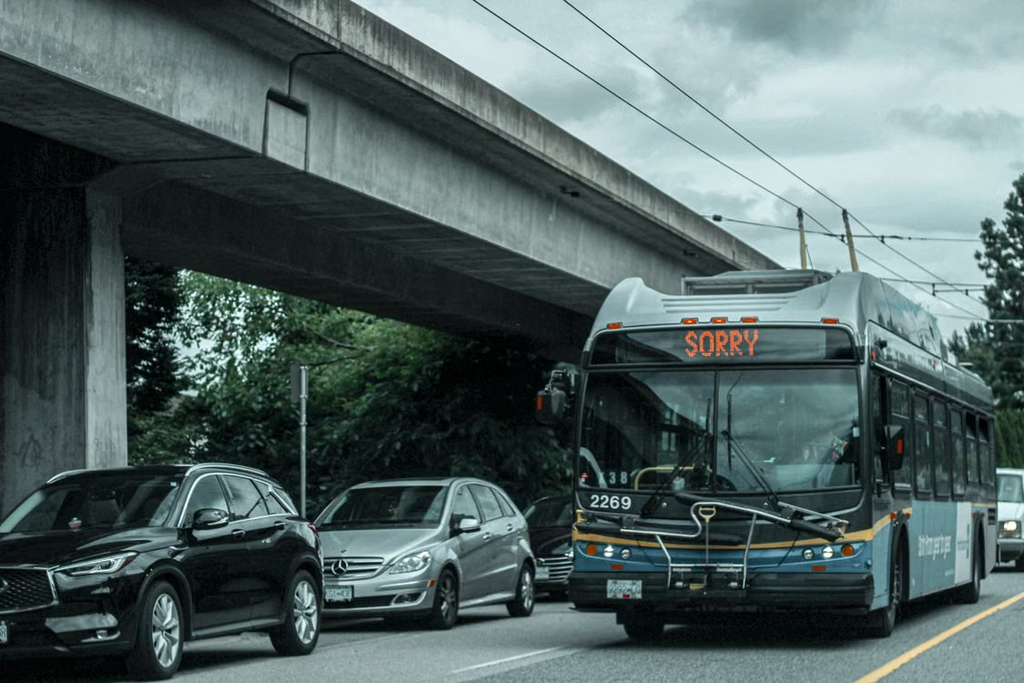
NEW YORK, NY, NOVEMBER 17, 2026 — The Metropolitan Transportation Authority (MTA) is facing yet another fiscal controversy after independent auditors identified an estimated $200 million operating budget funding shortfall caused by a major intergovernmental dispute regarding how much money should be allocated for municipal bus subsidies. This looming deficit will severely impact planned transit modernization projects, potentially delay the implementation of expanded services, and spark intense political conflicts between City Hall and the New York State Department of Transportation.
The main disagreement regarding money is about past payments that were to be made by each borough’s government (or other government entities) as part of their contribution to the operation of the buses in those five boroughs. According to the state’s transport accountants, New York City Hall has failed to provide the required annual increases to the subsidies for the operations of the transit agency. As such, there is a large, and increasing, gap in the agency’s operational funds. Budget directors for the city have disputed how the state calculated the amounts owing. They argue that New York City provides significant indirect financial support to the transit agency in the form of specialized paratransit services; street maintenance; and investment in commuting infrastructure.
MTA officials have stated that if the MTA does not find a way to make up the $200 million budget deficit by the end of the next fiscal quarter, then there will likely be severe cuts to services throughout the entire system. At this time, several contingency options are being considered internally including cutting back on the amount of overtime worked by employees, reducing late night bus routes, and deferring some critical infrastructure maintenance on both the subway and commuter railroad systems.
The immediate reaction of transit advocacy groups, “straphangers” organizations, and labor unions representing many thousands of everyday transit workers to the fiscal impasse was alarm. Commuters throughout Manhattan, Brooklyn, Queens, and the Bronx voiced their deep concern about the continued transit funding problems which constantly create threats to service dependability and fare stability.
Public pressure continued to increase upon the elected officials to find a fair, long-term funding solution when they began their private executive negotiations with state transit executives.
Complex Dynamics of Bus Subsidies and Municipal Budgets
To completely grasp the present $200 million disagreement, analysts in the financial industry point toward the complicated, highly disputable statutory funding formula that was created many years ago to determine how New York City’s complex transportation system would be funded. In contrast to the subway system that is based primarily on state administered tax funds, bridge tolls and revenue generated through fares; local bus services have always relied on a combination of funding from the city and the state.
City Hall’s budget experts stated that the city has major financial restrictions because of increased costs for pensions, homeless shelters, and decreasing revenue from commercial real estate taxes. Therefore, if the city were required to pay an unanticipated $200 million for transit subsidies, it would require severe cuts to necessary city services including public libraries, sanitation department, and park maintenance.
In contrast, the state’s transportation agency said that their statutory agreements were legally enforceable contracts and as such, the state could not change those agreements unilaterally due to changes in a municipality’s budget. The state’s accountants stated that most of the riders in the region use the city buses and therefore, it is necessary for municipalities to contribute financially to ensure equitable access to regional transit.
The funding dispute was an example of the ongoing struggle over how to govern a transportation network that is formally controlled by the state government, but physically located inside city limits. Economists who study public transportation often argue that if we could have a single regional authority governing our public transit systems, then the finger-pointing that occurs when the city and state cannot agree on how much money to spend would stop.
Business civil organizations also got involved by writing large scale studies about how important it is to have good transportation systems that work well and have enough funding to help the metropolitan area’s employees get to work and keep business productive.
Political Crossfire and Legislative Maneuvering
The escalating financial dispute evolved into a highly charged political battle in both the State Legislature and on Capitol Hill, with suburban and urban lawmakers taking strong, non-negotiable stances. Suburban legislators adamantly opposed using State Tax Revenue or Suburban Commuter Rail Surplus funds to fund the deficit for municipal buses; conversely, urban representatives claimed that the State Leadership was neglecting New York City Transit Passengers.
Mayor Mamdani was continuously questioned by City Council members about the City’s long-term plan for funding transit. At a very active legislative budget hearing, the City’s Municipal Finance Commissioners both protected the City’s financial management practices and stated that they would engage with the state’s transit authorities in good faith negotiations. Nevertheless, the administration continued to state that it would not accept an unbudgeted liability of $200 million unless the State agreed to share revenue with the City.
As a result, MTA leadership began a very strong marketing and advertising campaign through the use of digital displays in stations and through on-board announcements to let the public know how close they are to being affected by the budget cuts. The presidents of each transit union held emergency meetings with their members to talk about ways they could prepare for possible labor actions should the MTA take steps toward cutting back on services or cutting back on staff.
Political pundits said that in order for this issue to be resolved, state legislative leaders and the governor’s office must step in directly to work out an acceptable compromise for all involved parties so they can “save face” prior to the date when the state is required by law to adopt a budget.
Pathways to Fiscal Sustainability and Public Trust
As top-level negotiators continue to work through the complex math behind the MTA’s budget shortfalls, experts on transportation policies are developing innovative solutions that will ultimately provide a long-term solution for the ongoing funding problem at the MTA. These potential solutions include but are not limited to restructuring how the regional congestion pricing revenue is spent, implementing a dedicated corporate transit payroll tax, and/or creating a permanent, inflation-indexed municipal subsidy structure.
Transit advocates have made clear that cutting funding for operating budgets threatens the overall level of trust in public transportation systems at a time when cities need to rapidly encourage the use of mass transit in order to achieve their aggressive climate change and greenhouse gas emission reduction targets. A functional, well-funded bus and subway system is considered the most powerful tool for promoting economic opportunity and environmental sustainability within New York City.
Public opinion polls continue to indicate that most New Yorkers favor investing in public transit, despite the fact that doing so may require the state to increase taxes through a more progressive system or other types of broad-based revenue enhancement. Commuters seek reliability, security and operational quality; they reject ongoing budgetary battles among competing government agencies.
In the long run, how well we address the $200 million budget shortfall will be an indicator of whether New York’s elected officials can work together on fiscal responsibility and demonstrate maturity in governing. If our local and state leaders put the needs of the millions of individuals who rely upon transit every day ahead of their own political interests, then they can establish a long-term, fair funding structure to provide stability for America’s largest public transit system for many years into the future.
ABOUT THE AUTHOR

The NY Journal Newsroom is the heart of our breaking news operations. Operating around the clock, our team ensures that you are the first to know about the most urgent stories developing across the New York metropolitan area.