Mayor Zohran Mamdani Moves to Restructure NYPD’s Strategic Response Group Following Changes to City Policing
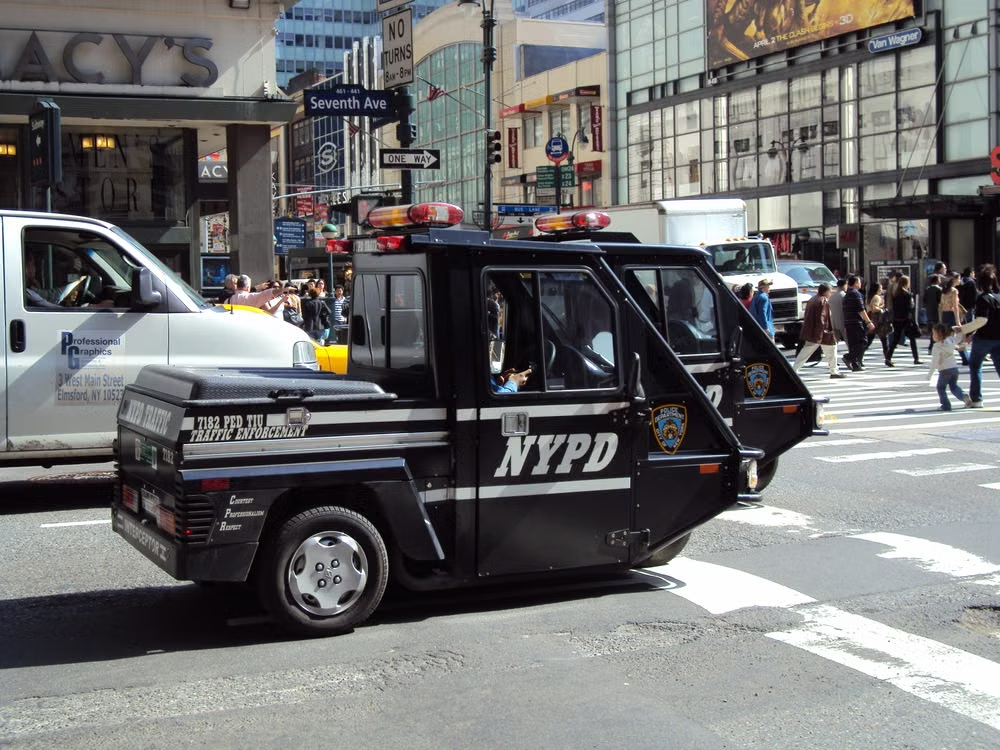
NEW YORK, NY, NOVEMBER 17, 2026 — The city of New York has seen some of the largest structural changes to the way that its police department operates with Mayor Zohran Mamdani’s announcement of a massive reorganization of the New York City Police Department’s Strategic Response Group. This represents the biggest change to municipal police departments in many years. This major change to the department is designed to change how the department will handle large scale public protests, civil unrest, and specialized deployment of resources throughout the city.
The Strategic Response Group, created as a fast-deployable mobile force to be used for counter-terrorism and major crowd control operations, has often been a point of high-intensity public scrutiny and litigation regarding civil liberties. Community advocacy groups and critics of the unit’s aggressive tactics when responding to protests have been arguing for years that these tactics infringe upon individuals’ constitutional rights and reduce public confidence in law enforcement.
Mayor Mamdani, whose campaign was based upon a vision for radical change in terms of accountability to the public and a commitment to progressive governance, stated that the reorganization has been created to develop a culture of de-escalation, public participation, and responsible use of taxpayer money. Mayor Mamdani’s executive order requires that the special unit go through an extensive re-training program which will focus on constitutional policing, how crowds behave and how to resolve conflicts peacefully.
The restructuring process has been ongoing for several months according to City Hall sources. This involved a large number of meetings with civil rights attorneys, various community stakeholders and experienced city government officials. This strategy is in keeping with the current administration’s overall approach to providing safe environments in urban areas through appropriate responses rather than through military style tactics.
As word spread throughout municipal governments regarding a major overhaul of local government, there was immediate polarization among several different political and civic groups, which created an atmosphere for intense legislative debate within the City Council.
Reallocating Tactical Resources and Oversight
The newly announced mayor’s plan will greatly reduce the number of areas the Strategic Response Group operates within, moving some of the unit’s staff and budget to provide support to local community policing programs. In addition, the plan will create a strict citizen oversight board that will monitor all major deployments made by the group and review after-action reports for each of these deployments.
Administrative officials explained that tactical gear that has historically been used by military units such as riot gear and armored personnel carriers (APCs) will be held in secondary reserves. In order for administrative officials to use this gear, they must first obtain written approval from the mayor. This intentional procedural step is designed to keep administrative officials from escalating situations quickly during peaceful public demonstrations and/or labor protests.
The restructuring also requires additional mandatory training on implicit bias, trauma-informed response, and protecting journalists and legal observers at civil disturbances for every member of each unit. The police department’s top officials were directed to develop new operational procedures emphasizing the use of dialog and spatial buffering before resort to physical force when public safety allows.
Budget allocations that had been used for specialized tactical equipment maintenance are now being partially redirected toward co-responder mental health programs and grants for youth violence prevention, administered through civilian municipal agencies. Financial auditors commended this change as a responsible reallocation of tax payer dollars towards longer term prevention based public safety strategies.
However, despite these administrative guarantees, the representatives of the Police Union have voiced serious concern about the operational limitations that are being placed on them, and they state that the changes made by the reforms could potentially cause harm to officers as well as reduce the department’s capacity to maintain law and order when there is an emergency in the city.
Union Pushback and Internal Departmental Friction
Immediately after Mayor Mamdani announced his restructuring directive, the leadership of both the Police Benevolent Association (PBA) and other affiliated fraternal organizations began to loudly protest the directive, calling it a politically motivated attack on the morale of the rank-and-file workforce. According to union officials, limiting the ability of the Strategic Response Group to respond to emergencies would leave the city open to a possible outbreak of sudden civil disorder and/or organized criminal activity.
“Every day, our officers face unprecedented challenges on the street, and taking away essential tactical support units puts their safety at risk and threatens our primary objective of providing a safe environment for all residents of New York City,” said the union president in an emotional press conference held at the union’s offices. Attorneys for the union were evaluating the possibility of filing a lawsuit against the city, claiming that some of the administrative changes made by the city violated the terms of collective bargaining agreements and protections provided under civil service regulations in the city.
The senior commanders within the police department had to balance both the demands of the mayor for reform/modernization/accountability with the practical aspects of running an incredibly large and complex organization. Many of the most experienced commanders stated privately that while reforms (modernization/accountability) were needed, they were concerned that drastic decreases in tactical capabilities may cause problems when responding to large-scale events like international summits, holiday parades, and major sporting celebrations.
The battle over labor agreements with the police department is a long-standing New York City tradition; however, with Mayor Mamdani’s progressive agenda, there will be a strong, ideological aspect to these negotiations. Additionally, the City Council has set a date for an oversight hearing to allow them to ask questions of police executives about when they expect to begin implementing the restructuring plan and how it will affect day-to-day operations. This ensures that both sides of this issue are able to continue debating publicly and fiercely.
Public Reception and the Future of Urban Policing
The Public Response Team (PRT) reorganization has received widespread support from civil rights organizations, “good-government” groups, and progressive community organizations throughout Brooklyn, Manhattan, and the Bronx. At City Hall, advocates celebrated this significant policy achievement and praised the Mayor’s Administration for making good on key campaign commitments related to police accountability and protecting civil liberties.
Neighborhood organizations have stated that decreasing the visibility of militarized tactical units within residential areas will help to reduce ongoing generational trauma and create a better cooperative atmosphere for community-based crime reduction. Families who were affected by previous police misconduct at demonstrations see these reforms as a critical validation of their continuous advocacy and court battles.
The business improvement districts of downtown and other commercial associations have been cautious about the proposals of the administration and asked for assurances that both public safety and the commercial streets will be kept safe from any form of disruption or damage to property. The business community has also stated that for the economy to recover, it needs to be able to predict how stable its city government will be and that law enforcement is available to protect businesses, as well as commuters using transit.
The country is watching Mayor Mamdani’s administration as it enters a new era of municipal law enforcement. If the Strategic Response Group overhaul is successful, it will provide a model for other large cities that are trying to meet the challenges of reforming their police departments. However, the lasting impact of the reform effort will be determined by whether or not it can successfully balance the protection of individual constitutional rights, building relationships of trust with the community, and providing for the safety of all New Yorkers in each of the City’s unique neighborhoods.
ABOUT THE AUTHOR

The NY Journal Newsroom is the heart of our breaking news operations. Operating around the clock, our team ensures that you are the first to know about the most urgent stories developing across the New York metropolitan area.