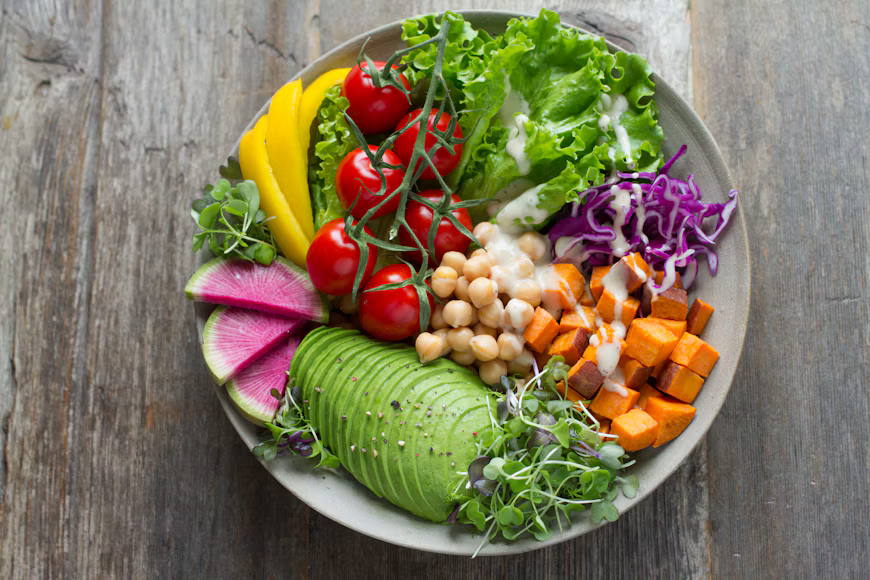
NEW YORK, NY, October 9, 2026 — For decades, Walter Willett has investigated how the routine foods we eat accomplish or thwart health over a lifetime. The Harvard epidemiologist recently presented some recommendations for those who wish to eat better. It is not about rules, but simple advice.
Rethinking Ultra-Processed Food
Willett is encouraging people not to converge on the idea that all ultra-processed foods are unhealthy by default. At a Harvard Q&A he shared recently, he pointed out that some processed foods are still healthy options. Although they are technically processed, whole grain bread and unsweetened yogurt would fit in that category.
This distinction matters because food safety experts say over-caution leads people to miss out on otherwise healthy foods. Willett recommends ingredient and nutritional content over processing labels. This way gives more flexibility without compromising the nutrition quality.
Essential Ingredients of a Balanced Plate
Willett refers to nuts, legumes or beans, peanuts and soy foods. They provide protein and healthy fats with none of the negatives that come together with ultra-processed meats. He also counsels small amounts of animal protein as part of a healthy pattern.
The Mediterranean diet is Willett’s dietary prescription that has stood the test of time through countless studies spanning decades. Main Takeaway: It focuses on vegetables, whole grains, healthy fats and ruminant meat prescribed in moderation. This pattern has been argued by Willett to be superior in long-term studies to many more fashionable diet approaches.
What to Limit, Not Eliminate
Willett draws a clear line around refined grains and salty processed meats. These foods eaten a couple times per week may be elevating risks for high blood pressure and heart disease. Dietary guidelines maintained by the American Heart Association offer practical advice on managing sodium and cardiovascular risk. He tells me the occasional treat probably comes without significant long-term health effects.
Unlike other elimination diets, this nuance is what distinguishes Willett’s advice. He focuses on healthy eating habits rather than labeling any particular food as off-limits. The framing, he says, makes healthy eating a longer-term proposition.
Practical Tips for Eating Out
Willett also gave some specific guidance on how to eat out without destroying a healthy diet. He mentioned that you might look into Asian restaurants where the key cooking fat used for stir-frying is usually a healthier fat. Those small adjustments, each time we eat — if they are informed choices — can add up.
He further urged for mindful diets as opposed to strict calories. He says, what you eat and how much is more important than complex formulas. Educational resources provided by The Nutrition Source at Harvard offering free tools for groups who want more specific directions.
The Big Picture on Healthy Eating
Willett has devoted his career to fighting back against reductive public health dietary advice. His lab developed the Healthy Eating Plate as a counterpoint to the standard food pyramid. Flexible proportions provide a focus on vegetables, whole grains and healthy protein.
His fundamental idea is always the same across interviews and research. Civilized food distribution is simply about good quality, relatively cheap but not without cost healthy eating. Consistency over (fanatical) perfection in small choices toward whole foods and healthy fats is what matters.
Why His Research Carries Weight
Willett has been running the Nurses’ Health Study, which follows over a quarter million participants, for decades. Epidemiological findings cataloged by the National Institutes of Health underline how large cohort studies shape nutritional policy. That decades-old research has helped define much of the science around diet and chronic disease. Very few nutrition researchers have written as much between worlds.
His work has also shaped a global mission extending well beyond personal dietary recommendations. Research reports published by the EAT-Lancet Commission present global investigations into sustainable food systems. By way of background, that commission examined how dietary patterns influence human health and environmental sustainability.
Willett’s recent public guidance runs along a path of personal and planetary health. Global health guidance from the World Health Organization emphasizes the link between sustainable agriculture and human nutrition. He often points out that diets conducive to human health tend to be more sustainable in food production. It is this overlap, he argues, that makes a general case for healthy eating easier to build.