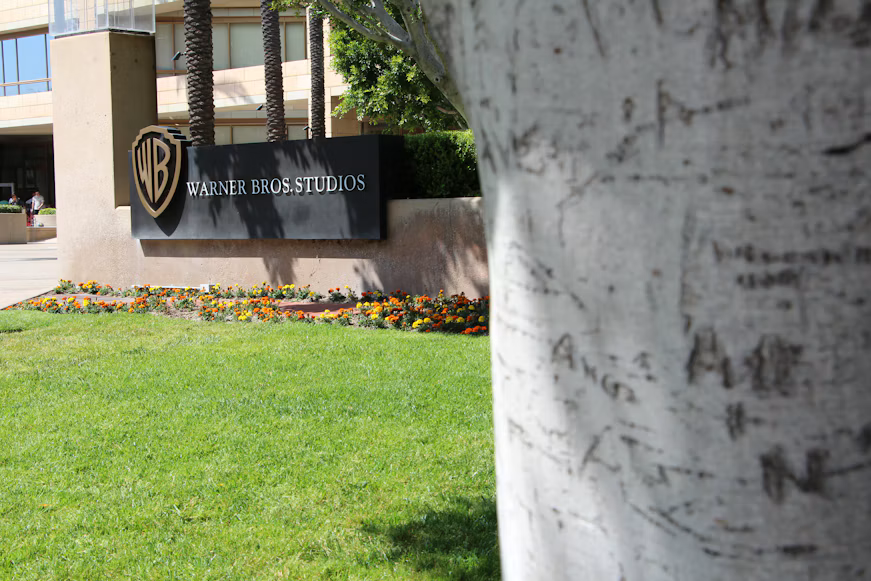
NEW YORK, NY, October 7, 2026 — Paramount Skydance has officially acquired Warner Bros. Discovery, sealing one of the largest media mergers in recent history. Valued at roughly $110 billion, the deal consolidates two of Hollywood’s legacy studios under one corporate roof. The companies had only announced their agreement months ago but closed the deal this week.
A Deal Years in the Making
Paramount and Warner Bros. Discovery entered into their original merger agreement on February 27, 2026, after months of competitive bidding. Netflix had pursued Warner Bros. Discovery before finally walking away from Paramount with a final offer to match. The total consideration amounts to $31.00 in cash for all outstanding shares, which is payable by Paramount.
The companies also later confirmed an expected date for closing in a memo that established the deal would be closed October 6. That timeline held, with the deal closing on its initial schedule this week. The agreement was approved by both company boards before it continued on a road to regulatory approval.
How the Combined Company would appear
The merger combines Paramount’s film and television with Warner Bros. Discovery’s massive catalog that includes HBO, CNN, and all things DC Comics. The companies own over 15,000 film titles and franchises that stretch back decades in the history of entertainment. Executives have also touted aggressive plans for far more theatrical products in the new structure.
Streaming consolidation is also a big aim of the merger. The stated goal: to offer customers the best combination of streaming services — a more competitive DTC platform than Paramount+, HBO Max, and Pluto TV on their own. That integration is designed to strengthen the merged entity’s competitive position against Netflix and other big streaming services.
Financing and Regulatory Hurdles
The purchase of the business was funded through a combination of new equity and high levels of debt support. The deal is backed with billions in equity financing from the Ellison family and RedBird Capital Partners. This transaction involved a degree of leverage, including back debt funding raised from various large banks.
However, regulatory scrutiny overshadowed the approval, particularly from officials in California. That echoed a previous statement from the State of California Department of Justice that it would closely examine the merger due to “significant concerns about concentration in media and news.” Lawmakers in both parties have questioned whether the deal will increase prices for consumers or reduce choices.
What the Future Holds for the Industry
Now that the deal is finished, the focus will turn to how the merged company will reorganize its business. Company unions are concerned about losing overlapping departments and streaming units, and industry analysts have speculated layoffs would be on the table. Executives have committed to preserving enough manufacturing commitments for film, however are functional on merging the two entities.
The merger simultaneously restructures the competitive landscape across film, television, and streaming—an industry in which ownership concentration continues to be monitored as a potential public-interest issue by the Federal Communications Commission. Competitors will be eager to see how fast the combined company can merge its platforms and respective content libraries. The deal, now closed as of this week, makes Paramount Skydance one of the largest media companies in the world.
Both companies will also have to endure months of confusion about how the combined organization will work as their leaders finish working out reporting structures and where departments overlap. Entertainment unions pledged to monitor the integration process, especially when it comes to production jobs associated with overlapping studio operations. Before this, other media mergers have typically seen large-scale layoffs over the first year.
Investors had responded positively to news the deal was now complete, with Paramount shares rising around the time of closing. Heading into next year’s streaming negotiations, analysts have generally considered the combined content library to be a material competitive advantage. How that translates into subscriber growth will become clear as the integrated platform goes live.
David Ellison and David Zaslav have both stressed a mutual dedication to maintaining the creative heritage of their studios. Industry guidance published by the Producers Guild of America highlights the importance of preserving studio infrastructure during large-scale consolidation. How rapidly that vision will be realized as a completely integrated media company likely rests on how rapidly we move in the coming months.
Corporate governance standards outlined by the U.S. Securities and Exchange Commission ensure transparent reporting during major corporate integrations. Financial filings submitted through public regulatory systems reflect ongoing adjustments as the merger progresses.