NEW YORK, NY, September 11, 2026 — This September marks the 25th anniversary of the September 11 attacks, and with that comes a new slew of documentaries and retrospectives on television around the country. Survivor testimony, archived footage, and first responders’ reflections fill programming slots on streaming platforms as well as public broadcasters. For many, this momentous year provides a window into that day through lenses never before covered in the historical record.
A Focus on Firsthand Testimony
There are several new documentaries that focus almost exclusively on survivor and responder interviews, with little to no input from experts or historical narration. According to producers, this method reflects a balance aimed at capturing firsthand accounts while people close to the day can still tell their stories in person. With the aging out of remaining survivors, this urgency has become more pronounced.
Some educational institutions have also been doing oral history projects related to the anniversary, using former interview subjects and compiling their new interviews into lasting archives. The Library of Congress runs a continuing veterans and disaster history project that has collected September 11 testimony for more than two decades. Researchers added that the footage has many uses beyond documentary filmmaking, supporting educational and historical use for generations to come.
Local Public Broadcasting’s Role in Anniversary Coverage
Public television stations, such as PBS, have lined up anniversary programming looking back both at the attacks and what followed them in the years since. This year’s reportage has been particularly focused on survivors and responders still grappling with long-term health issues, integrating the documentary story into an evergreen question of program funding. This link between historical hindsight and contemporary policy has been a continuing motif in coverage this year.
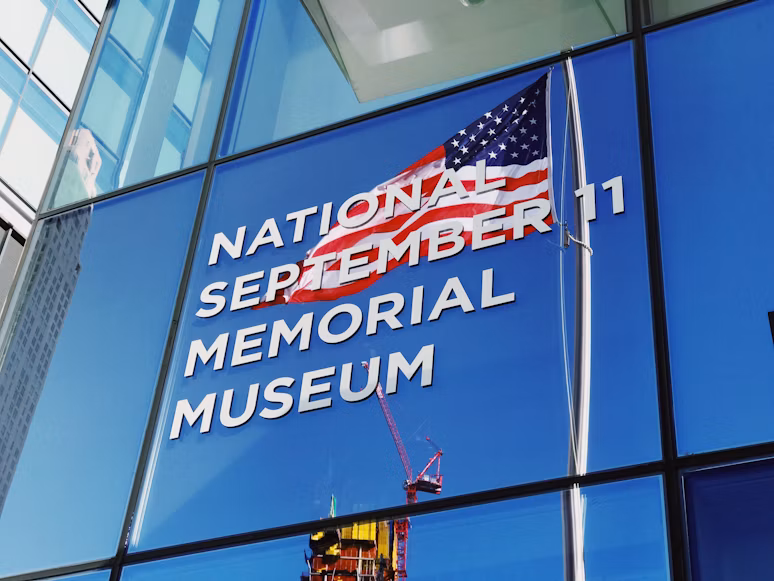
Programming around the anniversary has taken place at museums as well, including public conversations and screenings organized by the National September 11 Memorial & Museum. In relation to these events, documentaries are often screened and combined with a live discussion with survivors, relatives, or historians. Organizers describe that mix as an attempt to prevent the anniversary from being just a passive viewing experience.
Young Audiences Discover the Story for the First Time
Yet a sizable portion of this year’s audience doesn’t remember the attacks themselves—either they were born after them, or they were simply too young to have concrete memories of that day. More and more, educators note that documentary programming is the primary way students are introduced to the day when studying it through resources provided by institutions like the National Endowment for the Humanities. The switch has sent some producers over to themes with clearer historical context rather than an assumption that audiences will have the chronology of the day at their fingertips.
At least one streaming service has responded by repricing classic documentary material along with new anniversary releases, crafting a more digestible introduction for younger viewers. Multiple platforms have also included additional materials like timelines and glossaries for audiences who are learning about the events for the first time. Producers tell us that more and more often in anniversary-year programming, the educational framing competes with familiar production values.
A Milestone Year for Reflection
This year’s 25th anniversary is generating attention partly because, unlike round-number anniversaries in the past, this one may be among the last where a substantial number of those who lived through the day are still able to contribute firsthand experience. This reality has added urgency to documentary projects racing to capture testimony while they still can. This year’s programming has been described by both filmmakers and archivists as a tribute and preservation effort.
Screenings and segments are still being shown during these two anniversary months that present a wider view of voices than past cycles of coverage. The storytelling this year spans the gamut from firefighters and financial workers to family members and even children born since the attacks, capturing an entire generation touched by a day that continues to shape American life. The anniversary gives both those who can remember and those learning the story a new moment together to reflect, 25 years later.