NEW YORK, NY, September 11, 2026 — Memorials throughout the nation are still translating grief into material forms more than twenty-five years after the attacks. By reaching from the twin reflecting pools in Lower Manhattan to smaller tributes all across the nation, artistry has become our new lingua franca of remembrance. Every design makes decisions about what to memorialize, what feelings it will represent, and the ways it will allow people to contend with a day most of them did not see in person.
The National Memorial’s Enduring Design
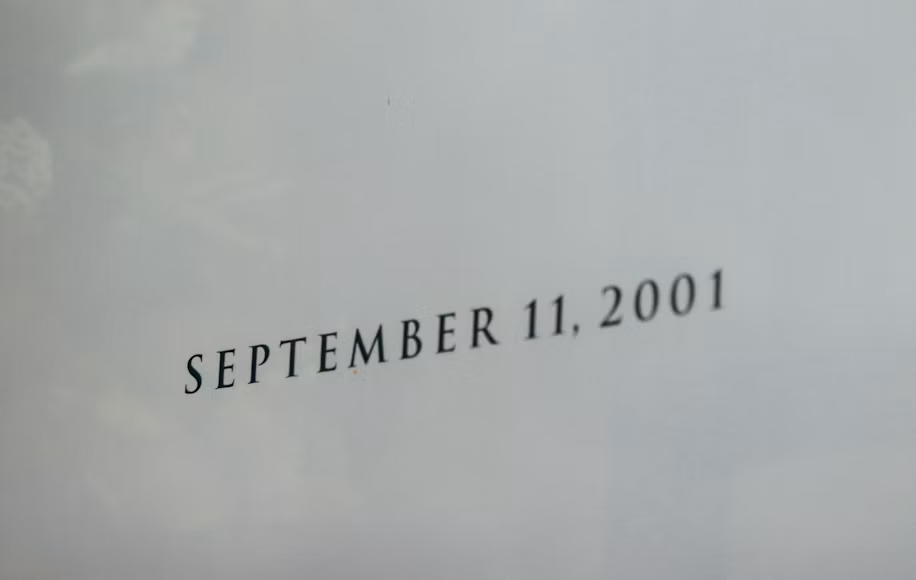
The footprint of the twin towers in New York is now taken up by The National September 11 Memorial, with water rushing into voids that architect Michael Arad intended to represent absence itself. Around the pools, more than 2,900 names are inscribed on bronze parapets, not in alphabetical order, but according to the relationships of victims and family requests. Open since 2014, the nearby National September 11 Memorial & Museum has turned into one of the country’s top cultural attractions.
The long deliberation came from an international competition that received over 5,000 entries for the design of the memorial. Arad was declared the winner of a competition that ranged from abstract sculpture to more literal versions of reconstruction; his concept is called “Reflecting Absence”. In fact, museum curators have noted that the design’s intentionally empty center resists resolution for visitors.
Smaller Memorials Carry Local Meaning
Other memorials, at the Pentagon and Shanksville, Pennsylvania, are dedicated to the other two crash sites. The National 9/11 Pentagon Memorial has 184 lighted benches for the victims, with benches oriented skyward for people who were on the plane and toward the building for those inside. The Flight 93 National Memorial, in Shanksville, incorporates the very Pennsylvania field itself as part of its design: it frames, rather than hides, the crash site.
Many smaller communities have created their own tributes using salvaged steel from the World Trade Center towers. Whole segments of the original structure were distributed to hundreds of fire departments, schools, and town squares in dozens of states for local memorials. While these smaller sites typically attract far fewer visitors than the memorial in New York, community members say they by no means serve just another vital regional function.
Murals and Temporary Tributes
Cities around the country began to erect public murals of first responders, American flags, and the 9/11 Towers—especially outside fire stations and police precincts. Most of these works were generated informally in the first months after the attacks, long before any official memorials existed. Others are preserved or restored as lasting features rather than left to vanish.
However, annual tribute events such as the twin beams of light projected above Lower Manhattan each September have become an art form unto themselves. The Tribute in Light consists of 88 searchlights located close to the original World Trade Center site, which can be seen for miles around the New York skyline. Each year, organizers apply to have this exhibit displayed with the National September 11 Memorial & Museum, which considers it a living memorial alongside the permanent site below.
Never forget. Remember me in a more subdued way for the next generation
Over the past quarter century, however, museum educators say that challenge has evolved, as much of the public is no longer mourning an immediate loss, but is instead faced with imparting knowledge to a generation that has no firsthand memory of the attacks. As exhibits increasingly depend upon recorded testimony, personal artifacts, and interactive displays to tell us what news coverage cannot, curators note this transition is not complete, but an ongoing process.
Memorial staff say renewed interest from schools and families visiting for the first time comes each year as the anniversary approaches. Public art, be it a national monument or a small local mural, remains the connector of history with personal memory. For the families and communities who constructed these memorials, the task of remembering is just as alive today as it was in the years immediately after 9/11.