NEW YORK, September 3, 2026– With New York Fashion Week looming, designers, tech firms and investors are planning events featuring the combination of artificial intelligence, online sales and consumer electronics alongside the usual offerings.
The trend is part of a larger shift within the sector. Discussion about technology in fashion isn’t just about futuristic runway prototypes anymore; it’s moving straight into gritty operational applications like inventory control, styling engines, content creation, and real-time customer interaction.
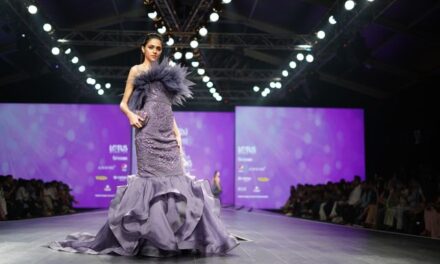
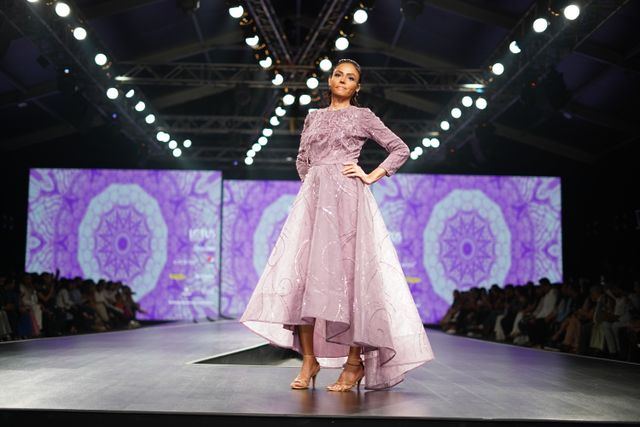
Consumer technology company TORRAS is one of the companies pushing hard to merge hardware with runway aesthetics. They’ve introduced their Ostand O3 Air Bios cases as style-matched fashion accessories rather than plain protective gear. Reporting on the brand’s NYFW presence highlighted its biomimetic airbag structure and built-in kickstand as part of a runway-inspired showcase.
TORRAS is also set to introduce Q3 Air Pro at IFA 2026. While the company promotes the presentation as consumer technology that can be used on a daily basis, the product specifications and performance still fall under company-provided information.
That’s a distinction that matters. A phone case can look sleek on the runway, sure, but when brands start making bold claims about drop protection or creator-focused durability, buyers ought to check independent laboratory tests, not just the promotional hype.
Over at The Fashion Gallery at 511 West 25th Street, Digital Fashion Week NYC will host its main conference and exhibitor floor on September 10, 2026. Nine firms will take the floor across AI, retail tech, legal services, fintech and apparel design.
“Panels tell you what the fashion industry is thinking. The exhibitor floor tells you where it’s building,” said Clare Tattersall, founder of Digital Fashion Week. She added that this year’s lineup deliberately puts “technology, capital, law, and design in the same room.”
Exhibitors include Singapore-based Nūl Global Technologies, a startup using agentic AI to help apparel labels cut overproduction. Organizers claim Nūl’s regional pilot trials bumped revenue by 10% through end-of-season inventory optimization. Impressive? Yes. But it’s worth noting those figures haven’t been independently audited yet.
Other players target different links in the value chain. MAIStyle is showing off a B2B AI styling engine, while startup The Perfect Add provides wardrobe intelligence that learns what’s sitting in your closet to suggest matches. Meanwhile, NunoX is rolling out cloud textile scanning to connect designers directly with global fabric vendors.
The floor also features Manipal Digital’s MODAIC platform—which pairs generative AI tools with human post-production polishing—and PixelCanvas.AI’s browser-based 3D web spaces. On the apparel side, Spanish-Ukrainian brand LOREINE is exhibiting tailored businesswear designed with a phygital twist.
Global law firm Mayer Brown signed on as an official sponsor, with partner Stephanie Hurst joining the Capital & Innovation sessions. Their presence makes sense: legal questions around IP, venture funding, and regulatory compliance get messy fast when algorithms start handling brand data.
These upcoming showcases aren’t just entertainment. They’re a stress test to see if tech can actually fix fashion’s messiest, most expensive problems: excess inventory, broken supply chains, and fleeting consumer loyalty.
Some tools will deliver real value; others won’t make it past the gimmick stage. Retailers and consumers will separate the signal from the noise soon enough.
For now, the convergence itself is the real story. Across venues in Manhattan, standard catwalks are no longer the main event; they’re sharing space with the tech rebuilding the industry from the backroom up.