NEW YORK, August 31, 2026– The diplomatic and economic tensions between the two nations have been increasing in recent times as the dispute over tariffs became increasingly controversial because of an ongoing geographical naming dispute.
Following the collapse of talks regarding trade between the two nations, the American government imposed a 50 percent tariff on a total of $20 billion worth of Canadian goods, which include steel. The Canadian government retaliated with dollar tariffs in the range of 15 to 50 percent on C$27.6 billion worth of American products that would become effective from September 8.
Trade Confrontation and Industrial Relocation Pressures
The dispute rapidly shifted from reciprocal trade penalties to broader industrial policy maneuvers. U.S. President Donald Trump made a public appeal for manufacturing businesses to move their production facilities from Canada into the U.S. to evade the coming tariffs completely.
Such direct pressure is placed on a highly interwoven North American supply chain where car components, motors, and assembled pieces pass the international boundary multiple times prior to finishing. Regardless of all the difficulties at the international boundary and potential future tariffs on imported cars, automakers have maintained major investments in Canadian production facilities.
The Rhetorical War Over Lake Ontario
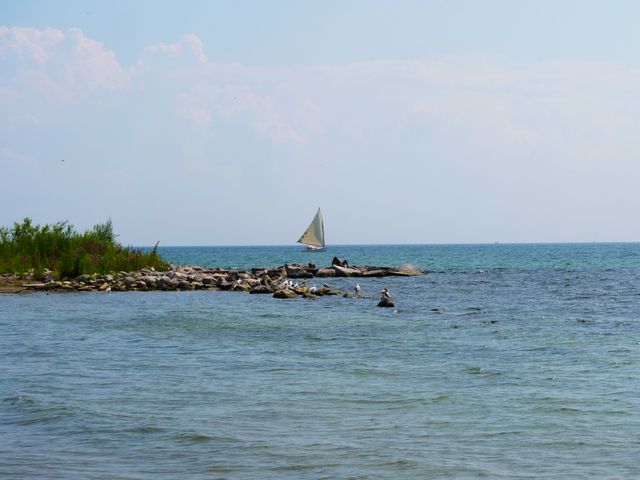
The economic dispute took a sharp cultural turn when the U.S. government issued an executive order to rename Lake Ontario as “Lake America” on its geographical database. The unilateral measure led digital mapping platforms to adjust regional cartography for domestic users based on the Geographic Names Information System.
The Canadian government and Indigenous leaders firmly rejected the cartographic change. Canadian Prime Minister Mark Carney pointed out the Indigenous Wendat background of the name, originating from Ontari’io, meaning “great lake” or “lake of beautiful water”, noting it predates both sovereign nations. Grand Chief Pierre Picard of the Wendat Nation criticized the U.S. administrative order for attempting to erase Indigenous heritage. In a clear show of disagreement, the Premier of Ontario, Doug Ford, unveiled a giant billboard near Grimsby with the lake’s traditional name alongside the message “Now and Always.”
Geopolitical Ramifications and Shifting Alliances
According to trade law experts and international economists, there is a serious breakdown in the bilateral relationship of the two long-time allies because of the increased confrontations. As a result of the failed negotiations due to the provisions of the United States-Mexico-Canada Agreement (USMCA), the continuous threat of tariffs has forced Ottawa to look for other economic opportunities elsewhere.
As political pundits discuss how international competition could take advantage of the disrupted supply chain in North America, Canadian authorities continue concentrating on establishing domestic financial protections for exporters and manufacturers. With neither side willing to compromise on trade tariffs nor sovereignty, international business is facing its most unpredictable period in recent decades.