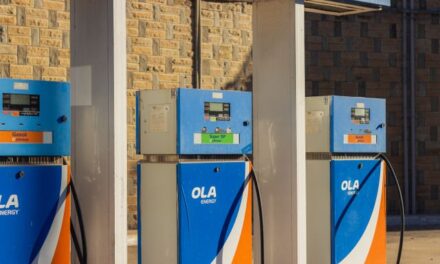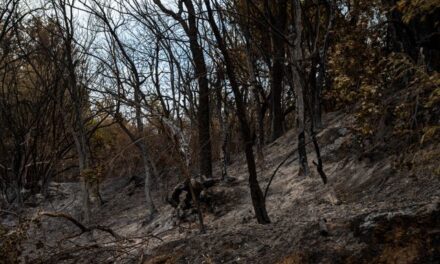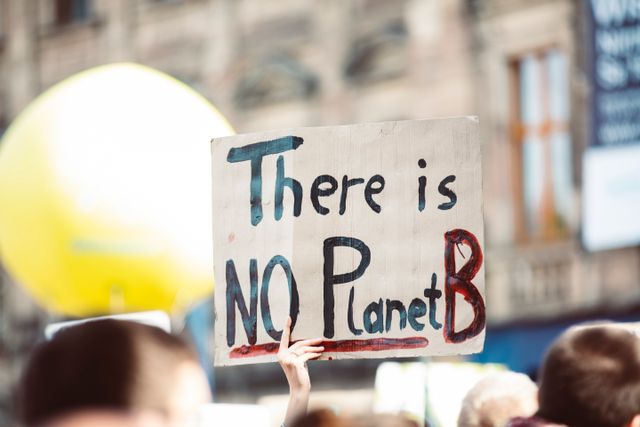
NEW YORK, September 2, 2026– State lawmakers thought they had finally pinned the massive tab for rising sea levels, scorched summers, and overwhelmed stormwater systems on the big oil companies that profited for decades while the planet warmed.
Turns out, it isn’t that simple.
On Monday evening in Syracuse, Chief United States District Court Judge Brenda Sannes struck down New York State’s pioneering Climate Change Superfund Act in a sweeping decision. It sought to extract from major fossil fuel producers $75 billion over the course of 25 years, which is $3 billion every year.
And the judge found that the state had exceeded its constitutional authority.
In his opinion from the Northern District, Sannes made clear that there is absolutely no space under the law, in particular, the Clean Air Act, for individual states to have their own retroactive schemes of penalization of greenhouse gases on a global level. The national energy policy requires consistent regulation rather than chaos in the form of individual states’ shakeout, Sannes stated. And, to add further embarrassment to state authorities, the court said that the taxation of energy behemoths globally borders on violating foreign policy concepts which are reserved only for the capital.
Legal proceedings were initiated by a formidable array of 22 Republican state attorneys general, including West Virginia’s JB McCuskey, together with influential business organizations. They hailed the decision as one in favor of common sense economics. Opponents had been saying for months that New York was trying to pull an unconstitutional money grab scheme that would hike energy prices across the board and bring layoffs in the conventional fuel industries.
In Albany, the officials appeared to be trapped somewhere between frustration and defiance. The spokesperson for Governor Kathy Hochul’s office said that it is not about throwing in the towel at once. As Mr. Lovett says, the decision is under review by state attorneys who are thinking of their future steps in this regard. They claim that hard-working taxpayers should not pay for the mistakes of corporations.
And this is important because its consequences go way beyond the borders of the Empire State. Vermont has already approved a similar superfund mechanism, while other progressive states have prepared their blueprints of legislation to follow the example of the New York one. Now all of these efforts are frozen. Environmental activists were counting on the “polluter pays” mechanism to finance the construction of seawalls at Long Island Sound and a new drainage system in Queens.
The catch? The global energy majors can’t afford that $3 billion annually starting in 2028; and if not them, then someone else must shoulder the costs. For municipalities facing the specter of worsening storm surges coupled with scorching temperatures melting their ageing asphalt, this means confronting an incredibly frightening fiscal dilemma.
An appeal to the U.S. Court of Appeals for the Second Circuit appears imminent. Yet as the federal judiciary clearly draws a line on overreaching state regulation and is backed by federal agencies, the fight over who shoulders the burden for climate damages becomes considerably harder for municipalities.