NEW YORK, NY, October 8, 2026 — Dengue set for the worst outbreaks in the continental US in more than 50 years is currently being seen in Florida. More than 250 locally acquired cases have been confirmed since the start of 2026, according to state health officials. The growth has passed the previous recent point for the state which was set in 2023.
Where Cases Are Showing Up — A Change
In the past, dengue cases in Florida largely developed in Miami-Dade and other sections of South Florida. This year’s outbreak has shifted north to focus on the Tampa Bay area. Florida has reported more than 170 locally acquired cases just in Hillsborough County, data compiled from state arbovirus surveillance reports show.
A surge in cases has prompted three Florida counties to declare states of emergency. Officials say the pattern is “highly unusual” compared with previous outbreaks. The state’s first reported dengue death of the year is an 80-something Tampa woman who died with the illness earlier this week.
Understanding how the virus spreads and how risky it is for individuals
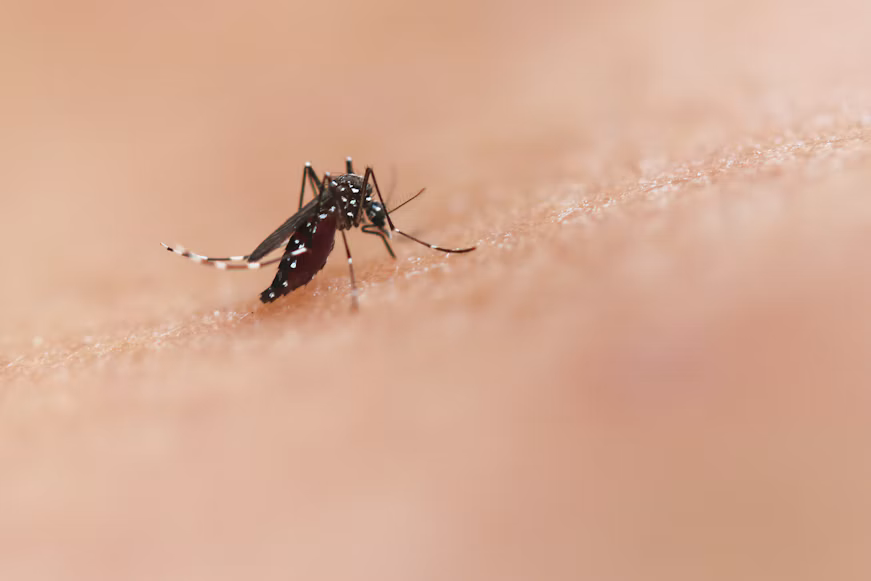
Dengue is primarily spread through the bite of infected Aedes aegypti mosquitoes, which are common in Florida’s warm, humid environment. It is also typically characterized by symptoms such as fever, headaches and joint pain while some severe cases can lead to serious bleeding and shock. Public health guidance from the Centers for Disease Control and Prevention states that most people who get infected have mild or no symptoms.
There are year-round breeding populations of mosquitoes in Florida, although activity typically remains high through late fall. Mosquito prevention standards maintained by the Environmental Protection Agency recommend using registered repellent and wearing long, loose-fitting clothing outdoors. Removing standing water from around homes is one of the best ways to reduce breeding sites for mosquitoes.
Vaccine Access Complicates the Response
The outbreak comes just weeks after the only U.S. dengue vaccine was discontinued, leaving few options to stave off cases. Global health assessments by the World Health Organization estimate nearly half the world’s population now lives in areas at risk for the virus. And that leaves mosquito control and personal protections as the main tools Florida residents have against mosquitoes this season.
According to public health researchers, the phenomenon indicates wider climate trends pushing optimal mosquito habitats north and later into the year. A warning by University of Florida researchers said dengue may spread across the state at greater rates in future years. It has intensified local mosquito-control spraying currently taking place in the affected counties.
What Residents Should Do Now
Hillsborough County mosquito control crews are spraying impacted neighborhoods around the clock while inspecting properties for stagnant water. Still, officials warn that conditions can change rapidly as the outbreak evolves.
People who develop fever, severe headache or joint pain following possible exposure to mosquitoes should contact their healthcare provider immediately. Medical safety guidelines from the American Red Cross note that blood donation centers carefully monitor viral outbreaks to ensure supply safety. In the meantime, vigilance and mosquito prevention are giving Florida residents the best protection against what state health officials say is the worst season of dengue fever there in decades.
Anyone visiting Florida this autumn should exercise caution even if they are merely passing through impacted counties for a brief spell. Tourism officials point out outdoor attractions are still open, but visitors should use repellent during early morning and evening. In areas with affected properties, hotels and rental properties have ramped up efforts to abate mosquitoes on their grounds.
A couple local businesses around Tampa have been hit or miss since the emergency declarations started. Other organizers of outdoor events have implemented additional precautions, while others report foot traffic remains as high as ever despite the health advisories. County officials say they will review the emergency orders again as new case numbers and mosquito test results come in over the coming weeks.
Public health experts stress that the vast majority of dengue infections are mild and recover without hospitalization. Clinical resources from the National Institutes of Health confirm that recurrent infections with a different dengue serotype can result in more serious disease. This risk is just one of the reasons why residents who have recovered from dengue earlier this year should not let down their guard against mosquitoes.