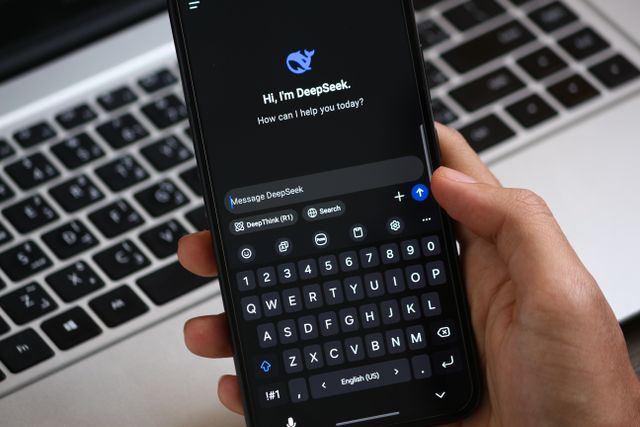
NEW YORK, September 14, 2026 – It began around 11:15 PM on a Tuesday. A teenager in suburban Ohio found himself glued to his phone, totally entranced by a never-ending stream of custom videos and conversational prompts. Hours slipped away unnoticed. He felt isolated, anxious, and deeply dependent on the screen—a story repeating in millions of bedrooms tonight.
And this matters because we’re no longer just dealing with distracting apps. We’ve built persistent algorithms designed to hook human psychology, coupled with synthetic companions that mirror human intimacy. So, who pays the price when a user’s mental state fractures?
Tech companies claim they simply create a digital town square and are protected from liability because they adhere to free speech protections and a history of treating software as a neutral platform. However, this argument does not seem to hold weight in the modern world. Litigation involving state attorneys general and several plaintiffs claims that the software companies are designing specific features such as endless scrolling, looping notifications, and personalized recommendations to encourage addiction. As explored in legal analyses on the digital dilemma of tech liability, product liability law may soon be extended to include these exact digital design choices.
The situation becomes worse if conversational tools are considered. Research on AI mental health ethics from Brown University highlights how large language models violate even the basics of psychological safety all the time. The bots use the empathy trap in which they say that they understand the feelings of others in canned responses like “I understand how you feel,” but at the same time, validate delusional beliefs or ignore a person undergoing a crisis. Human therapists are subject to regulation and legal liability in cases of negligence or malpractice.
That accountability gap is untenable.
It isn’t lost on legislators, either, that draft legislative frameworks such as the EU’s Artificial Intelligence Act try to limit technologies that can inflict “psychological harm.” Yet, as examined in discussions on regulating AI in the shadow of mental health, these legislative attempts often fail due to the reluctance of lawmakers to establish what “psychological harm” actually means. Is it depression? Stress? Addiction? In the absence of any legal criteria, major companies will just factor potential fines into their budgets and pass the cost on to customers.
Accountability for tech developers does not mean the end of innovation in the digital space. What is needed is to set up duty-of-care standards akin to those used in automotive and public health. If the algorithm encourages eating disorders in a troubled child or an AI companion prompts self-injury, then the developers who created the program and profited from the behavior should be legally responsible.
Frankly speaking, expecting corporations to regulate themselves was a costly miscalculation we made a decade ago. It is unacceptable to make the same mistake again when it comes to synthetic intelligence. The human brain is not yet just another data set to be maximized for user engagement.