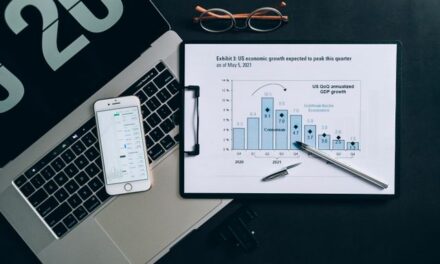
NEW YORK, NY, October 6, 2026 — Even with climbing prices at the most brisk pace in decades, American households kept opening their wallets all summer long. Take-home pay, adjusted for inflation, grew 0.6 percent in August — the largest monthly increase in more than a year. The resilience has surprised many economists betting that shoppers would withdraw their spending sooner.
What the Latest Numbers Show
The Personal Consumption Expenditures price index, the Fed’s preferred inflation gauge, climbed over four percent earlier in 2023. It was the highest reading since 2023, partly due to a sudden spike in energy costs. Still, outlays for goods and services kept rising in the same stretch.
In August, personal income grew slower than spending during the month and kept a gap that most households closed with savings. Economists at the Bureau of Economic Analysis monitor this balance every month to discern underlying economic momentum. How long the current pace of spending can hold is in question due to the gap widening.
An Incomplete Picture by Income Groups
Gains in spending have not been broad-based across all households. Stronger wage growth and sizable gains in the stock market this year have accompanied higher-income Americans. Consumers from lower- and middle-class households have also continued to spend, but their month-to-month progress has been inconsistent.
Economists have a word for the pattern: divergence, with upper earners getting further and further ahead even as overall spending remains robust. Some lower-income households have also been cushioned during the year by tax refunds and improved access to credit. Analysts warn that this schism could further deepen if wage increases keep decelerating into autumn.
The Impact of Energy and Services Expenditure
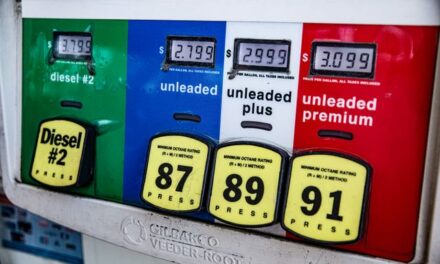
And most of the inflation pressure this year can be traced to a series of energy price shocks from the troubles in the Middle East. Household budgets absorbed higher gas prices even as spending on financial services, healthcare, and transport facilities continued to grow. Expenditure on dining and travel was also less than during the same period.
The wider consumer base has fended off the kind of steep pullback many economists anticipated earlier this year, although some were likely clobbered by higher fuel costs. Excluding energy and housing, service-sector inflation also ticked higher later, indicating pressures beyond the immediate oil shock. That detail is what analysts say shows inflation could be more entrenched than a passing energy spike alone.
Next For Households and the Fed
However, the strength of consumer spending has complicated the Fed’s path toward additional interest-rate cuts this year. Policymakers are walking a tightrope between defending growth and pinning down still-burgeoning inflation before it goes above target. If the labor market cools, it may force households to be more reserved when spending in the coming months.
Currently, the majority of economists characterize the American consumer as facing slight peril. The key question is whether the labor market can continue to sustain further growth in income, even if that slows down against the background of still high levels of continued consumption. The jobs report Friday is likely to provide an early reading on if that resilience might persist through the winter.
Retailers have been receiving mixed signals in the run-up to the last quarter of the year, with some sectors exceeding expectations and others softening. With shoppers remaining value-conscious, discount and value-focused retailers have tended to perform better than other higher-end rivals. The trend mirrors a larger split in how some income tiers are coping with higher prices.
Economists warned that savings have fallen significantly in the last 12 months as households dip into their reserves to keep up spending patterns. In the longer term, a drawdown of savings not matched by growth in income is often seen as unsustainable. Whether households will change their behavior or persist at the current level of spending is now set to play out in the coming months, analysts said.
Forecasts for the 2023 holiday retail season conducted this fall indicate what many retailers should expect: modest growth, rather than the significant gains seen in previous years. Analysts attribute the more conservative view to decelerating wage growth and elevated inflation. Even so, most economists do not predict a rapid contraction unless labor market conditions shift meaningfully.