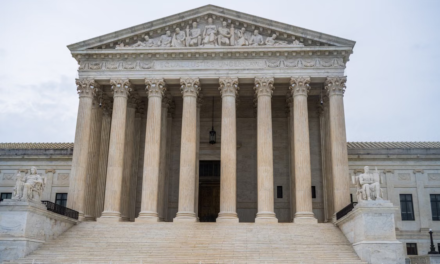
NEW YORK, NY, October 6, 2026 — Now, two months before voters cast their ballots, state election officials are appealing to Washington for assistance. Many states are entering November with a lack of support due to years of budget cuts at federal cybersecurity agencies. Officials from both parties say the window is closing to fill in the gaps.
A Scramble for Cybersecurity Support
Lawmakers have charged the administration with delaying money Congress has authorized and allotted for election security. The announcement came as members of Congress sent a letter to the Department of Homeland Security over the nearly $40 million attached to the fiscal year 2026 appropriations bill. The midterms are also a critical time to bring up concerns around cyber threats and disinformation, they warned.
The CISA was not the only federal agency to shed workers amid efforts last year to downsize government. State officials point out that reduction has stifled the level of threat-sharing assistance they once depended on. A fresh batch of regional advisers was rolled out in a newly released agency plan to fill the void, but some insiders deemed it an overdue effort.
Conditions Attached to New Funding
The Department of Homeland Security has said it will offer new election security resources, but with conditions. States are required to agree that they will manually audit ballot receipts for a minimum of five percent. They also are required to reconcile the records of voter participation with the total amount of ballots counted.
While some secretaries of state have embraced the structure to add accountability to federal grant spending, critics contend the requirement came too late to have a significant impact on preparations already in motion. Some state elections offices said they will move ahead relying mostly on homegrown resources, no matter what Washington eventually delivers.
A Patchwork of State-Level Preparation
In the absence of a fully functioning Election Assistance Commission, states have depended more on their own cybersecurity teams this cycle. Some states have completed individual agreements directly with federal regional offices to continue some semblance of coordination. Federal agencies have a mixed but still engaging relationship with election directors on the ground, say local election officials.
But certification of voting equipment has also become a worry for administrators looking ahead to November. Some upgrade requests have even stalled altogether, as commissioner seats at the federal oversight body are currently vacant. Many state officials say they are deferring to past certifications rather than sitting around for an unspecified process to play out.
What Voters Should Expect
Even with the funding standoffs, election officials from both parties say ballots will be tallied and results verified as always. The disputes are largely over resources for preparation, not on any particular threat to a state. The real contention today is more about the amount of assistance that comes than if elections will be held.
The funding dispute is likely to dominate September and October, when lawmakers from both parties say they expect it will resurface on the campaign trail — even if those debates are largely a distraction from what’s really at stake on Election Day. Advocacy groups like the Brennan Center for Justice that track election administration say they will be looking out for any last-minute changes in federal support. In the meantime, election offices in the states are proceeding with the resources available at hand.
Across the states, election administrators have started to informally collaborate with one another to share threat intelligence directly. With federal staffing levels at a shrinking scale over the past year, that peer-to-peer approach has taken on increased prominence. Officials call it a stopgap — not a structural fix to the funding gap.
Election integrity nonprofits additionally plugged specific holes around state resources. In fact, some organizations have been offering free cybersecurity assessments as well to help smaller counties without dedicated IT staff. And in rural jurisdictions, officials say that outside help has proved essential against a backdrop of constrained local coffers.
While aides on Capitol Hill say a funding workaround is still possible before Election Day, time is running out. A number of lawmakers have signaled they are open to agreeing to an unlocking of funds linked to additional reporting provisions. How quickly that compromise comes together is among the most closely followed storylines as November elections approach.