New York City Schools Expand Free Career Training Programmes for Students Interested in Technology and Healthcare

NEW YORK, NY, NOVEMBER 18, 2026 — The public high schools in New York City are making a big push to offer more free career and technical training to its students. This effort is being funded by both the city government and private businesses. This will help students gain technical certification in fields that have high job demand, such as software development and medical care.
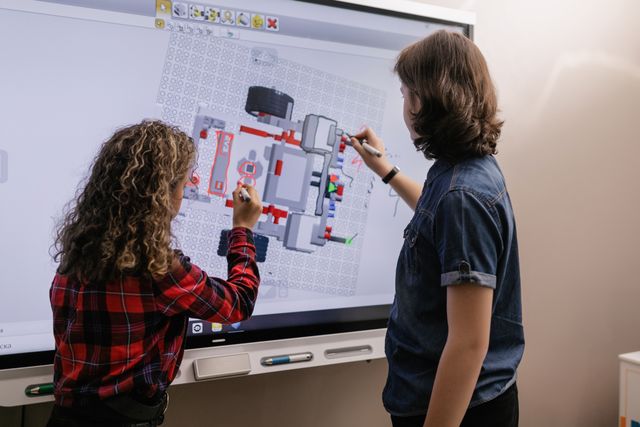
The superintendent and several leaders from various industries met on Monday morning at a tech high school in Brooklyn to introduce state-of-the-art computer labs and nursing simulation centers. Students participating in this program will be able to receive industry recognized certifications, college credit, and paid internship placement prior to graduating.
The addition of more programs and options within high school curriculums was well-received by teachers and guidance counselors because it provides students with an opportunity to explore potential careers early on. This exploration will allow students to make more knowledgeable decisions about their education after high school. Parents also seemed excited about vocational pathways that can lead to viable jobs in a regional market that is currently very competitive.
Curriculum Design and Industry Partnerships
With input from key technology businesses and health care organizations located throughout the New York City region, the enhanced curriculum was created. As part of their partnership, many of these corporate partners provided donations of computer hardware, served on curriculum advisory committees and offered mentorship opportunities to the participating high school sophomore and junior students.
Technology pathways include fundamental concepts of programming, cybersecurity, and data analysis using commercially available software applications and/or cloud-based computing platforms. Healthcare pathways introduce students to basic medical terminology, ethical considerations related to patient care, and laboratory-based clinical skills with the guidance of a registered healthcare professional.
Educators noted that learning models using hands-on approaches greatly increase student participation and graduation rates in areas where schools are typically under-resourced. The assessment of program outcomes is based upon both student evaluation of their own abilities to perform specific tasks, as well as employee feedback regarding those same skills.
Student Impact and Equity in Education
First generation students who will be attending college for the first time reported great results from their participation in pilot programs, reporting both being accepted into colleges and receiving employment offers prior to graduation because of the internships they completed with corporations. First generation students who want to attend college see the opportunity to receive technical certification as a way to create financial security.
The allocation of funding by the school district will provide support to equitable access to equipment and transportation resources for those students who attend a regional magnet program. Additionally, special outreach efforts are being made to increase the number of female and minority students enrolled in historically underrepresented technology and engineering classes.
Community leaders emphasized that investments into vocational education within the public school system will strengthen the community’s tax base while establishing long-term economic stability.
Future Expansion and Sustainability
With their first year of program implementation being so successful, the district plans to grow career training options for students in both middle schools and adults through adult education programs over the coming three years. Additionally, teachers will receive professional development workshops that allow them to stay up-to-date with the ever-changing technologies and instructional practices used by today’s industries.
With the rapid evolution of today’s job market, the active approach taken by New York to reform education provides an example to the nation of how to create a successful partnership between the private and public sectors regarding workforce development. Additionally, the sustainable funding approaches being used will allow future student populations to be better equipped with the skills necessary for a rewarding career.
Additionally, the long-term, systemic impacts of the new development are being studied by local stakeholders and regional policy analysts within each metropolitan neighborhood. Public feedback sessions and municipal committee hearings are critical opportunities for residents, business owners and civic leaders to offer positive suggestions. As the project progresses towards its implementation phase, it is imperative that we communicate with our constituents in a clear and honest manner. It is also important that we adhere to strict ethical standards so that our constituents can have confidence in us and that all community members participating in this ongoing initiative receive fair treatment.
In addition, there is an continuing analysis by local stakeholders and regional policy analysts regarding how these trends affect the systems of metropolitan communities over time. These include community feedback sessions and municipal committee hearings, which are important opportunities for residents, business owners, and civic leaders to offer constructive recommendations. During the transition phase of the project, transparency in communications and strict compliance with ethics requirements will be critical to maintaining public confidence and providing fair treatment for everyone affected by this long-term initiative.
In addition, local stakeholder and regional policy analyst continue to evaluate the long-term systemic impact of these changes on metropolitan communities. Community feedback sessions and municipal committee hearings are critical avenues for residents, businesses, and civic leadership to provide positive recommendations regarding implementation. With implementation dates fast approaching, it is imperative that we maintain transparent communication and adherence to ethical standards to build public confidence in our process and ultimately create equitable results for all participants in this ongoing effort.
As well as that, as local stakeholders and regional policy analysts analyze the long term systematic effects of these developments within metropolitan neighborhoods, they are also analyzing how they could potentially affect each other. Community feedback sessions and municipal committee hearings are providing the necessary forum for residents, business owners and civic leaders to present positive suggestions. The closer we get to achieving our goals with respect to implementing the changes we have made, the more transparent our communications with each other and the higher the standard of ethics we maintain as we work together as a group to achieve the results we desire for all community members involved in this ongoing initiative.
Additionally, local stakeholder groups and regional policy analyst teams are reviewing how these development projects could affect the long-term, systemic nature of the metropolitan area’s communities. The community feedback session format as well as municipal committee hearings are critical opportunities for residents, businesses, and civic leadership to provide constructive suggestions. During the period leading up to project implementation milestones, it is critical that we communicate clearly, adhere to high levels of ethical conduct, and build confidence with our constituents that all participants in this project will receive equitable treatment.
In addition to the previous points made about the way in which stakeholders at the local level and analysts at the regional level are examining the long-term, systemic impacts that these changes have on metropolitan neighborhoods, there are also opportunities for community members to give input through community feedback sessions and municipal committee hearings where they can share constructive ideas. Transparency in communicating with community members, and a commitment to ethically responsible practices will be crucial in building and maintaining public confidence in the initiative as the initiative moves forward toward achieving its goals.
In addition, regional policy analysts and other stakeholders are examining the long term effects of these changes on metropolitan communities. Stakeholders use various methods such as community feedback sessions and municipal committee hearings as opportunities for residents, businesses, and civic leaders to make recommendations that can be implemented in a positive manner. When the time comes to begin implementing new policies, it will be critical to have clear and open communications with all stakeholders, along with the commitment to maintain the highest levels of ethical conduct, so that the public has confidence in the process and that everyone who is affected by this project receives fair treatment.
In addition, local stakeholder groups and regional policy analysts are studying how the long-term systemic effects of these changes are being felt by metropolitan communities. Community feedback meetings and local government committee meetings serve as important venues for community residents, businesses, and civic leaders to offer positive suggestions. When it comes time to begin implementing changes, transparency and following high ethical standards will be critical in building public confidence and creating equal opportunity for every member of the community participating in this long-term project.
In addition, there is an continuing analysis by both the local stakeholder group as well as regional policy analyst as to what are the long-term systemic impacts of these changes on metropolitan neighborhoods. Feedback from the community (community feedback sessions) as well as hearings held by municipal committees offer opportunities for residents, business owners, and civic leaders to offer positive recommendations. As the deadline for the implementation phase approaches, there will be a continued need for open communication and transparency along with adhering strictly to ethical guidelines so as to maintain the trust of the public and produce equitable outcomes for all of the community members who have been part of the ongoing process.
ABOUT THE AUTHOR

The NY Journal Newsroom is the heart of our breaking news operations. Operating around the clock, our team ensures that you are the first to know about the most urgent stories developing across the New York metropolitan area.