Queens Public Library Continues Recovery From Ransomware Attack since Digital Services Remain Disrupted
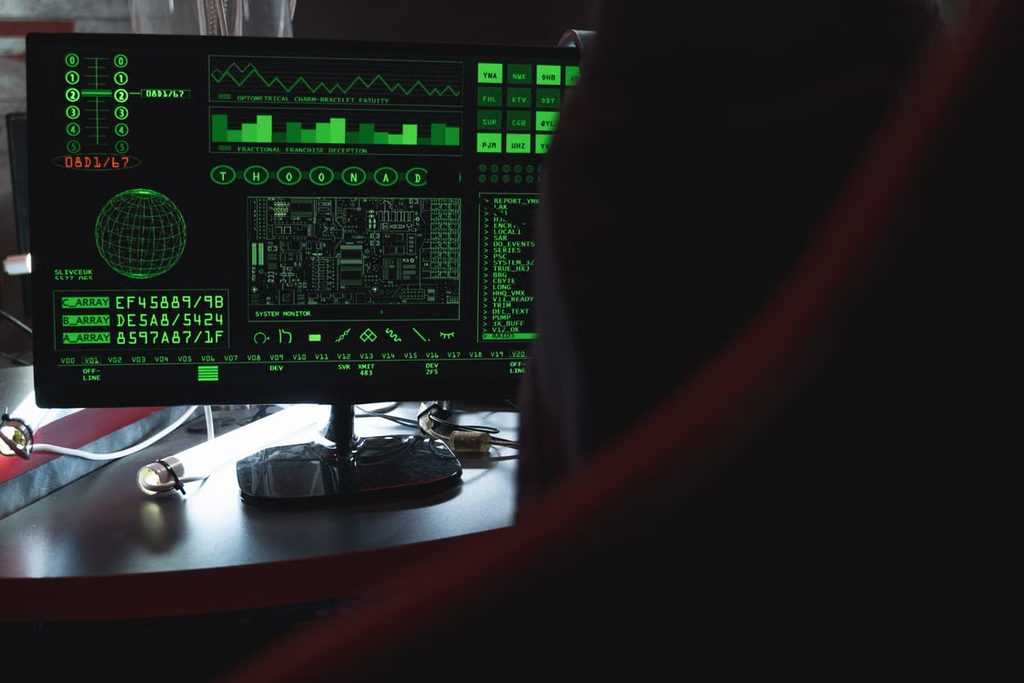
NEW YORK, NY, NOVEMBER 17, 2026 — The multi-week operational recovery process continues at the Queens Public Library as it recovers from a highly sophisticated ransomware cyber-attack which severely damaged the library’s digital infrastructure, internal computer networks and online patron services throughout the dozens of neighborhood branches. As a result of this damaging digital attack, the library’s IT Security Specialists had to immediately shutdown all of the library’s systems in order to limit the spread of the malware and protect the library’s sensitive data repositories.
The disruption of key digital services, such as accessing digital library cataloging systems, online research databases, free public Wi-Fi networks, and interlibrary loans, caused many problems for those who were using the library. Although the physical library remained open to allow customers to borrow books and use its study areas, the loss of these major digital tools greatly affected the everyday activities of students, remote workers and researchers within the community.
The investigation into the compromised servers was initiated by cyber security forensic investigators working in collaboration with federal law enforcement agencies and specialized city-wide incident response teams. The initial technical reporting indicated that a global network of cybercriminals used sophisticated ransomware encryption software to demand money from victims in exchange for their decrypted files and return of any stolen data.
Library executive leadership made a very clear and public statement that they would not give into extortion demands and were following the federal government’s policy that does not allow organizations to make ransom payments to criminals. Therefore, library IT engineering teams began the tedious job of manually recreating all affected databases using their off-line, secure backups.
The catastrophic cyber-attack highlighted how vulnerable critical public civil service systems are becoming too highly developed forms of digital warfare and ransom attacks.
Community Impact and Branch Adaptability
Although there were major technological issues, branch librarians and other administrative employees in Queens demonstrated great perseverance. They quickly transitioned to manual, lower-technology methods of circulating items so they could continue providing necessary services to residents within their neighborhoods. In order to help patrons find books and/or programs, branch personnel used paper-based checkout lists, reservation notebooks (physical), and phone calls.
The neighborhood branches (which have historically provided an essential digital connection point to low-income residents who do not have access to either home internet or a computer) were severely impacted by operational problems. Many students studying for their college entrance exams, and individuals applying for jobs online were displaced from these branches and forced to use mobile hot spots and their own cellular phones.
In response, the library administration extended the hours that they would have staff working at physical reference desks as well as providing additional mobile technical support teams to help affected customers. The community came together to support their neighborhood libraries, and expressed great gratitude for the patience and professionalism shown by frontline staff during the difficult period when technology was down.
The library continued to fulfill its core educational purpose by adapting its children’s reading programs, English as a Second Language classes, and technology workshops for seniors into offline formats. This adaptation ensured that the library could continue to serve the community in the midst of the current crisis. In addition, municipal officials visited various Queens branches of the library to praise the staff for their flexibility, as well as to assess the progress made in addressing the issues identified during the crisis.
The library’s executive board authorized emergency budget spending for hardware replacement, software license renewal, and network security hardening.
Digital Forensics and Data Security Audits
In addition to the fact that the digital recovery process was in its third week when the specialized cybersecurity contractors conducted an in-depth forensic investigation to assess if customer privacy or employee records containing sensitive information were compromised by the breach. The initial results of the forensic investigation indicated that although ransomware encrypted major operational database systems; however, there is evidence that indicates that high-level perimeter firewalls did not allow for unauthorized access to highly personal information about customers including their home addresses, phone numbers and/or bank accounts.
Out of an abundance of caution, the library’s administrative staff developed thorough notification procedures, and provided free credit monitoring to all registered cardholders who were potentially affected by the network breach. The chief information officer (CIO) gave a detailed presentation to the library’s board of trustees regarding the exact method used by the attackers, which has been identified as a compromised login credential for a third-party vendor, as well as the changes made to the library’s physical infrastructure to permanently address the vulnerability.
In order to avoid similar incidents in the future, the library system invested millions of dollars into improving its cybersecurity posture; it installed Endpoint Detection & Response Agents on every computer in each of the municipal branches, required Multi-Factor Authentication (MFA) for every login to the system by administrators and created a 24-hour Security Operations Center (SOC) to monitor the telemetry data from the networks. Municipal cybersecurity experts commended the Queens Public Library for being open with its customers about what happened and how they responded, as well as for following established incident response best practices. They also noted that public sector organizations are becoming more attractive targets for large-scale, well-organized international cybercrime organizations.
Resurgence and Long-Term Digital Resilience
The slow and difficult process that the Queens Public Library underwent to recover from its cyber-attack can serve as a clear, warning sign about the constant threat of cyber-attacks that all types of municipalities’ infrastructure and public education institutions face today. Although it took a great deal of time and effort for the IT staff to bring back many of the library’s essential online cataloging systems and public Wi-Fi networks through a series of phased, incremental rollouts, patrons were able to celebrate the fact that they had fully functional digital capabilities once again.
The library’s leadership team is planning to put together a series of free, open-to-the-public, educational seminars that will provide attendees with basic knowledge about how they can protect their personal information online and learn about ways to stay safe while using the internet. Through taking a significant crisis in the operation of the library and turning it into an opportunity to educate the people in the community, the library demonstrated once again why it is such an important and reliable part of the community in today’s increasingly connected digital world.
The City Council has introduced a bill to create an official, specialized municipal cybersecurity task force that will provide no-cost threat monitoring services and defense software grants to public libraries, cultural institutions, and community health centers throughout New York City.
In addition, the Queens Public Library came out of the ransomware experience with a battle-hardened technology system, and as such is viewed with great respect by the millions of people who rely on the library. The ability of librarians, administrators, and regular patrons to show their resilience in the face of this adversity shows that although a malicious program may temporarily disable a computer network, it can never extinguish the everlasting flame of human learning, shared knowledge, and community unity.
ABOUT THE AUTHOR

The NY Journal Technology Lab explores the intersection of technology and daily life. We provide expert how-to guides, reviews of emerging tech, and deep dives into the digital advancements defining the future of the New York tech ecosystem.