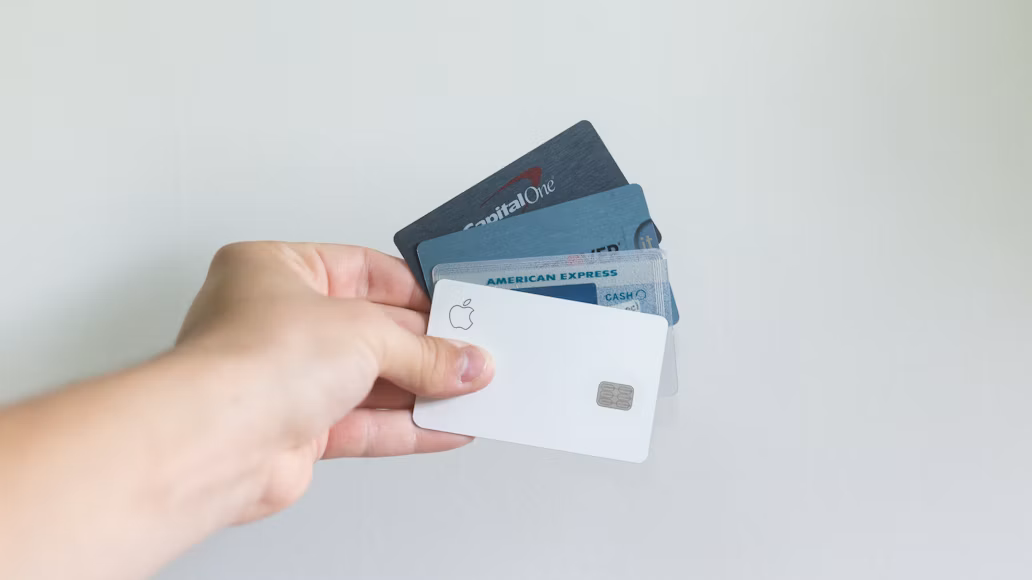
NEW YORK, NY, September 21, 2026 — Today, more than one in four American adults has debt in collections—much of it revolving credit card debt. For households that were already stretched thin, balances are harder than ever to shrink with rising interest rates and now-normal inflation. We can take a few steps that truly amount to something without winning the lottery.
Get a clear picture of what you owe overall.
Do you have card balances, what interest rates are they charging, and what is the minimum payment? With a 2019 study by the Consumer Financial Protection Bureau revealing that knowing your entire financial picture is the first step toward addressing debt, it only makes sense to have someone guide you along the way. What most people don’t realize is just how much high interest rates are costing them until the numbers are laid out side by side.
Once you see the full picture, choose between two popular repayment tactics: the avalanche method and the snowball method. With avalanche, you target the card with the highest interest first and save the most money over time. The snowball approach pays off the smallest balance first, gaining momentum through visible early wins.
Before Moving Forward, Even If You Make the Update Alone
Most people wait until after they start missing payments before reaching out to their credit card company, but doing this sooner tends to work more effectively. Card issuers can reduce your interest rate, waive a fee, or establish a temporary hardship plan if you call before missing a payment. You do not need to be behind already to ask for help, and proactive calls have a better return than reactive ones.
Be forthright about the reasons why you’re having difficulty, how much you realistically can pay, and when you will get back to regular payments. Not addressing the issue will usually result in more interest charges, higher minimum payments, and a reduction of your credit score. Time not wasted on a five-minute phone call may compound financial stress for months.
Look into a Balance Transfer or Consolidation Loan
There are sometimes promotional 0% interest periods for balance transfers from certain credit cards—up to 12 to 21 months. Transferring high-interest debt to one of these cards can stop interest from building up altogether—allowing every payment to go toward principal. Be careful of balance transfer fees—typically 3% to 5% of the balance—and guarantee you can pay off your complete balance through the offer before it expires during the promotional period.
For people who can’t get a 0% card, a personal consolidation loan offers the same kind of benefit. Having just one set monthly payment at a lower interest rate than you would pay with most cards is a great way to simplify your budget and minimize the overall amount of interest you will eventually pay. Credit unions like Navy Federal Credit Union usually have good consolidation deals compared to traditional banks, especially for those who can provide some form of constant income.
Cultivate New Habits That Prevent You From Accumulating New Debt
Every small amount paid more than the minimum each month significantly lowers total interest and lends itself to far shorter payoff timelines. The first step is automating that additional payment, taking away the incentive to use that money for other purposes when the inevitable surprise expense presents itself! In addition, non-profit credit counseling organizations registered with the National Foundation for Credit Counseling can assist in establishing a budget for those who don’t know where to begin cutting.
Watch out for profit-driven debt relief companies that claim they can reduce your balances “for pennies on the dollar.” A legitimate credit counselor will not ask for large fees upfront and instruct you to stop communicating with creditors completely. If you stay on task and have a plan, you can easily get most sets of credit card debt handled in a year or two, as suggested by resources at the Federal Trade Commission.
Maintaining motivation over multi-month processes is easier if you can visually track progress, whether it be a simple spreadsheet or a debt payoff app. Watching balances shrink month after month only reiterates the habit changes you need to make long term. Gratitude for every stage of the journey is justified, even if we have not achieved the bigger aim yet, say paying off a card in full.
And do not fall into the trap of opening new cards or increasing spending when a balance drops. A lot of people find themselves back in debt a very short time after paying it off; this often happens because the spending habits that got you there never actually changed. The best way to stay debt-free after getting out from under your current balance is to couple a repayment plan with an achievable monthly budget.