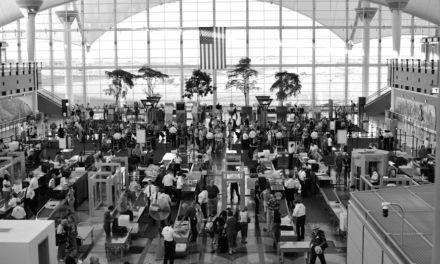
NEW YORK, NY, NOVEMBER 16, 2026 — As A catastrophic technological failure within the Federal Aviation Administration’s core computer networks paralyzed American airspace, triggering more than ten thousand flight delays and cancellations nationwide. Millions of commercial airline passengers found themselves stranded in crowded terminals as air traffic controllers were forced to halt departures due to corrupted digital safety data feeds. The unprecedented scale of the outage exposed the dangerous obsolescence plaguing critical components of the nation’s aviation infrastructure. Federal transportation officials scrambled to implement emergency manual workarounds, but the sheer volume of modern air traffic overwhelmed legacy computer systems. The incident immediately vaulted aviation modernization to the forefront of national political discourse.
Preliminary technical investigations revealed that the FAA’s primary Notice to Air Missions database experienced a cascading software failure caused by aging mainframe hardware and outdated operating code. Despite heroic efforts by federal IT engineers to reboot core servers, synchronization errors prevented vital flight safety advisories from reaching pilots and dispatchers. Under strict federal safety regulations, aircraft cannot push back from gates without verified, real-time access to navigational hazard data. Consequently, nationwide ground stops were enacted across major hub airports, creating a massive logistical bottleneck that rippled through global aviation networks for days. Airline executives expressed deep frustration over recurring federal technological failures that inflict severe financial losses upon commercial carriers.
As stranded passengers demanded answers and congressional committees scheduled emergency oversight hearings, public pressure mounted for radical structural reform. Aviation safety experts have warned for decades that the federal government’s air traffic control modernization programs suffer from chronic bureaucratic inertia, cost overruns, and archaic procurement rules. The sheer economic damage inflicted by a single nationwide outage underscores the urgent necessity of injecting private-sector innovation and robust funding into America’s skies. Rebuilding the digital backbone of the national airspace system is no longer a deferred luxury; it is an absolute national security and economic imperative.
Archaic Technology and Bureaucratic Inertia
The root cause of the FAA outage lies in a decades-long history of deferred maintenance, inadequate congressional appropriations, and bureaucratic procurement gridlock. While commercial aviation has evolved into a hyper-connected, digital ecosystem utilizing satellite navigation and automated flight management, federal air traffic control frequently relies on vacuum-tube-era mainframes and copper wiring. Maintenance technicians struggle to source replacement parts for computer systems that were manufactured during the Cold War. Federal procurement regulations require exhaustive, multi-year bureaucratic reviews for software upgrades, preventing the FAA from adopting modern commercial cloud infrastructure and agile development practices. This regulatory rigidity creates a perilous technological gap between civilian aircraft and the ground-based systems guiding them.
Congressional budget battles have frequently treated the FAA as a political football, starving the agency of the sustained, predictable multi-year funding required for comprehensive digital transformation. When modernization initiatives are funded piecemeal through continuous continuing resolutions, long-term architectural overhauls are repeatedly postponed in favor of temporary band-aid repairs. Former FAA administrators have testified repeatedly before Congress regarding the severe risks of maintaining legacy systems past their operational lifespans. Unfortunately, legislative action typically materializes only in the catastrophic aftermath of major system failures, reflecting a reactive rather than proactive governance model. Taxpayer advocates and aviation unions agree that structural reform of the agency’s funding and management mechanisms is long overdue.
Furthermore, the agency faces a severe, chronic shortage of certified air traffic controllers and specialized IT engineers, compounding technological vulnerabilities with human resource constraints. Controllers routinely work mandatory overtime shifts under immense psychological stress, managing increasingly congested skies with outdated radar visualization tools. Integrating artificial intelligence and automated trajectory optimization into air traffic management requires specialized technical talent that federal pay scales struggle to attract. The intersection of aging hardware, bureaucratic procurement hurdles, and staffing shortages forms a toxic recipe for systemic operational failure. Addressing these interlocking crises demands bold legislative vision and uncompromising administrative resolve.
Economic Ripple Effects on Commercial Aviation
The economic fallout from the nationwide FAA outage inflicted severe financial pain on commercial airlines, corporate travelers, and regional tourism economies. Major network carriers reported tens of millions of dollars in direct losses resulting from passenger compensation claims, crew repositioning expenses, and fuel burn during extended tarmac holds. Regional airports, which rely heavily on predictable aircraft turnaround times, experienced cascading scheduling nightmares that disrupted connecting flights across the country. Corporate business travel schedules were thrown into chaos, forcing executives to cancel critical client meetings and strategic conferences. The economic resilience of the American transportation network was visibly strained by a single software glitch.
Commercial aviation executives seized upon the crisis to reiterate longstanding demands for comprehensive air traffic control corporatization or structural reform. Proponents of structural reform argue that spinning off air traffic control into an independent, non-profit corporate entity funded by user fees would insulate modernization projects from political budget battles. They point to international success stories, such as Canada’s Nav Canada model, as proof that commercialized management delivers superior technological efficiency and safety records. However, powerful congressional factions and general aviation lobbying groups have historically resisted corporatization, expressing concerns over rural airport access and user fee equity. The debate over structural governance reform promises to dominate upcoming transportation authorization bills.
In the interim, airlines and airport operators are urging the Department of Transportation to accelerate emergency software patching and hardware redundancy deployments across all regional air traffic control centers. Passengers seeking restitution for delayed and canceled flights faced bureaucratic customer service backlogs, prompting renewed calls for federal passenger bill of rights legislation. Consumer advocacy groups argued that airlines should be held strictly financially liable for cancellations arising from federal infrastructure failures. The economic friction between commercial carriers, federal regulators, and disgruntled passengers highlights the complex web of accountability governing modern air travel.
Path Forward for National Airspace Modernization
As the immediate operational recovery concludes, attention in Washington shifts toward formulating a permanent legislative roadmap for national airspace modernization. Bipartisan congressional leaders have pledged to draft comprehensive aviation authorization legislation incorporating strict technological performance milestones and dedicated funding firewalls. The proposed framework mandates the rapid migration of legacy FAA databases to secure, fault-tolerant cloud environments backed by commercial-grade redundancy. Lawmakers recognize that maintaining American leadership in global aviation requires an airspace infrastructure that matches the sophistication of modern aircraft fleets. Postponing modernization is no longer politically viable.
Technological modernization initiatives will focus heavily on integrating advanced automation, digital flight strips, and artificial intelligence-driven conflict detection tools. These innovations are designed to empower air traffic controllers with crystal-clear situational awareness, reducing cognitive fatigue and optimizing airspace capacity. Cybersecurity hardening will also be a top priority, ensuring that modernized FAA networks remain impervious to foreign espionage and ransomware attacks. Aerospace defense contractors and software vendors are positioning themselves to bid on lucrative federal modernization contracts as requests for proposals are published. Rigorous congressional oversight will be essential to ensure projects are delivered on time and within budget.
Ultimately, the nationwide FAA outage serves as a stark reminder that physical and digital infrastructure is the invisible foundation of American economic vitality. A great nation cannot maintain global preeminence while operating its skies on brittle, obsolete technology. The thousands of delayed flights and frustrated passengers should serve as a permanent catalyst for constructive legislative action. By embracing modern engineering standards, reforming bureaucratic procurement rules, and securing predictable funding, the United States can build a bulletproof air traffic control system. The safety of the traveling public and the integrity of the national economy demand nothing less.