Brooklyn Waterfront Development Project Faces Fresh Questions Over Housing Affordability and Public Access
NEW YORK, NY, NOVEMBER 18, 2026 — The community of the Brooklyn waterfront is in an uproar over developer proposals to build a large high-rise residential complex. Opponents of the multi-phase development claim that it will not have enough affordable housing units for long-term neighborhood residents who are being forced out of their homes due to rising costs. At least two public meetings were held today by a local community organization which had hundreds of concerned citizens in attendance, calling for more stringent zoning regulations and more public park space.
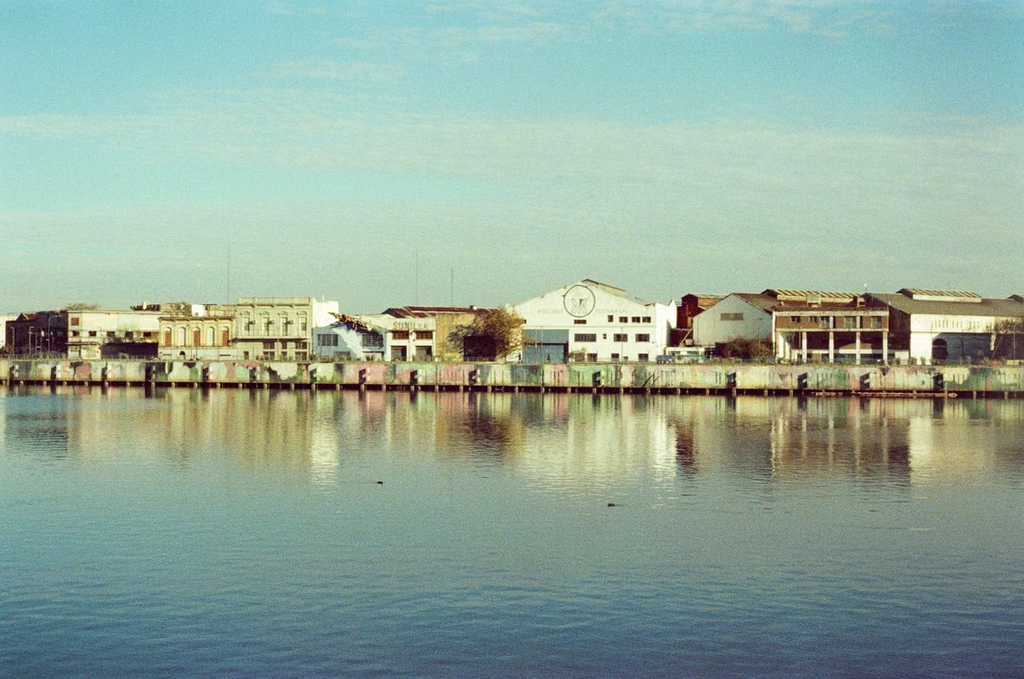
The planned project includes numerous abandoned industrial sites located on the East River coast. It is anticipated that the project will produce contemporary residential buildings and commercial retail stores. According to developers, market-rate units are required to fund the cost of upgrading public infrastructure and clean-up of the East River coast. On the other hand, community organizations argue that proposed affordability requirements for working-class families living near the site continue to be out of reach.
Elected officials were listening closely when the local community was sharing their experiences with increasing rents and how they are being forced out of their communities because of speculative real estate development. The disagreement shows the larger economic issues that are affecting the development of New York City’s evolving waterfront areas.
Environmental advocacy organizations had concerns about the effects of the proposed development on the area’s marine life, as well as on how the shoreline will be able to withstand the effects of climate change. Experts recommended that the developer use more accurate estimates of future sea level increases, as well as use natural wetland buffers in their final architectural design.
Housing Affordability and Displacement Pressures
Housing advocates demonstrated through independent demographic studies how the current mandatory inclusionary housing requirements do not adequately address the net loss of residents due to displacement. Critics noted that the average cost of renting in a neighborhood has increased significantly during the last 10 years, which is faster than the increase in median household incomes in these areas. Families living in rent-stabilized apartments worry that new luxury developments being built around them will lead to increased gentrification and higher property taxes.
Representatives for the developer have stated that if there are too many demands on the affordability of the project then this will prevent any further construction financing from taking place. Representatives also pointed out some of the community benefits that would be provided by the development such as a new public waterfront walk-way, training for local residents in jobs and money towards education.
Urban sociologists point out that the balance between private investments in neighborhoods and the creation of equitable communities will require high levels of public involvement, and open negotiations. Neighborhood associations are currently developing alternate master plans which focus on creating cooperative housing options and establishing community land trusts.
Public Access and Environmental Resilience
In addition to the issue of affordable housing, stakeholders within the community reviewed the public access covenants which guarantee a continuous pedestrian path along the East River bulkhead. Residents wanted legally enforceable guarantees that the waterfront promenade would be available year round with no restrictions on business activity or closing for private events.
Adaptation strategies for climate change were presented by many speakers as part of technical presentations about how to protect against storm surges and how to reduce urban heat island effects. Environmental engineers described plans for elevated living shorelines, permeable pavements and underground storm water retention ponds.
The park advocates stated that the green space to be included in the development will be managed by an experienced non-profit horticultural organization instead of a private property management firm. The public maintenance standard that will be enforced, guarantees that there will be equal access to the park for residents from every socio-economic background.
Path Forward and Municipal Review
The ULURP process will proceed for the next several months, with numerous official chances for citizens to provide input and have experts review their submissions. The Borough President’s office and the City Council have the final say on whether or not a rezoning can move forward, as well as the types of benefits that may be included in such a project. Citizen engagement is still essential, as stakeholders are working out a deal to allow for economic development while also addressing issues of social justice.
All parties agree that as there is increasing public interest in what is happening along our coastline, we need to make sure that the way we develop our waterfront respects the past history of the area and at the same time prepares us for the environmental issues that may occur in the future. The outcome of the long-term urban planning decisions being made now in Brooklyn will have an impact on how other similar development battles are fought throughout the rest of the country.
These developments are being studied by local stakeholders and regional policy analysis staff as they assess how these development trends will impact metropolitan areas long term. The various types of public meetings that are available (i.e., community meetings, municipal committee hearings) provide a forum where residents, business owners and other civic leaders can make constructive suggestions. Once the project begins to reach its implementation phases, transparent communications with the community as well as strong ethics in making decisions will be key factors in building confidence with the community and ensuring equal results for each resident who participates in the continuing process of improving their neighborhood.
Moreover, local stakeholders and regional policy analysts are studying the long-term systemic impact of these changes on metropolitan areas. Public hearings and community input sessions serve as an important forum for residents, business owners, and civic leaders to provide constructive suggestions regarding implementation. As the project progresses toward implementation milestones, there should be open communication and adherence to ethical standards so that the community trusts the process and that everyone affected by the initiative receives a fair outcome.
In addition, local stakeholder groups and regional policy analysts continue to study the long term systems effects of the development of these trends on metropolitan communities. The use of community feedback meetings and city council committee hearings provides a forum where citizens, business owners and civic leaders can make constructive suggestions. Transparent communications and strict compliance with ethical codes will be critical as we move forward into implementing the first phases of the project. These two elements will help us establish public confidence and allow equitable results for every citizen who participates in this process.
In addition, the long-term impact on the systems that exist within the local communities and the regions are being analyzed by both local stakeholders as well as the regional policy analysts. The community feedback sessions and municipal committee hearings are providing the necessary opportunities for community members, business owners, and civic leaders to offer constructive suggestions. Transparent communication and compliance with ethics standards will be of utmost importance as we move closer to the implementation of the milestones associated with this project. This transparency and compliance will help build public confidence and create equal opportunities for each person that is part of the ongoing initiative.
Furthermore, there are local stakeholders as well as regional policy analysts that have been examining the long term systemic effects of the above mentioned developments within the various metropolitan communities. The community feedback sessions and municipal committee hearings are critical places where residents, business owners, and civic leaders can express their constructive suggestions regarding the implementation process. When the implementation milestones occur, it is going to be extremely important to maintain transparency and adhere to high ethical standards in order to build confidence with the public and to produce equitable results for each member of the community who has taken part in this initiative.
Local stakeholders and regional policy analysts are also examining what effects the longer-term systemic changes that may result from the above developments have on metropolitan communities. Public feedback meetings, community committee meetings, etc., provide critical opportunities for residents, businesses and civic leaders to offer constructive recommendations. Transparent communications and strict adherence to ethical standards will be critical in developing public trust and ensuring equal access to outcomes for all participants in the process.
In addition, the long term systemic implications of these developments continue to be evaluated by local stakeholders and regional policy analysts within metropolitan neighborhoods. The use of community feedback sessions and municipal committee hearings are providing the necessary forum for residents, businesses, and civic leaders to offer constructive recommendations. Transparent communications and high ethical standards will continue to play an important role as the implementation milestones are met to ensure that there is public trust in the process and that all members of the community who participate in the initiative receive equitable treatment.
ABOUT THE AUTHOR

The NY Journal Newsroom is the heart of our breaking news operations. Operating around the clock, our team ensures that you are the first to know about the most urgent stories developing across the New York metropolitan area.