Hudson River Cleanup Project Uncovers New Evidence of Industrial Pollution Near Former Manufacturing Sites
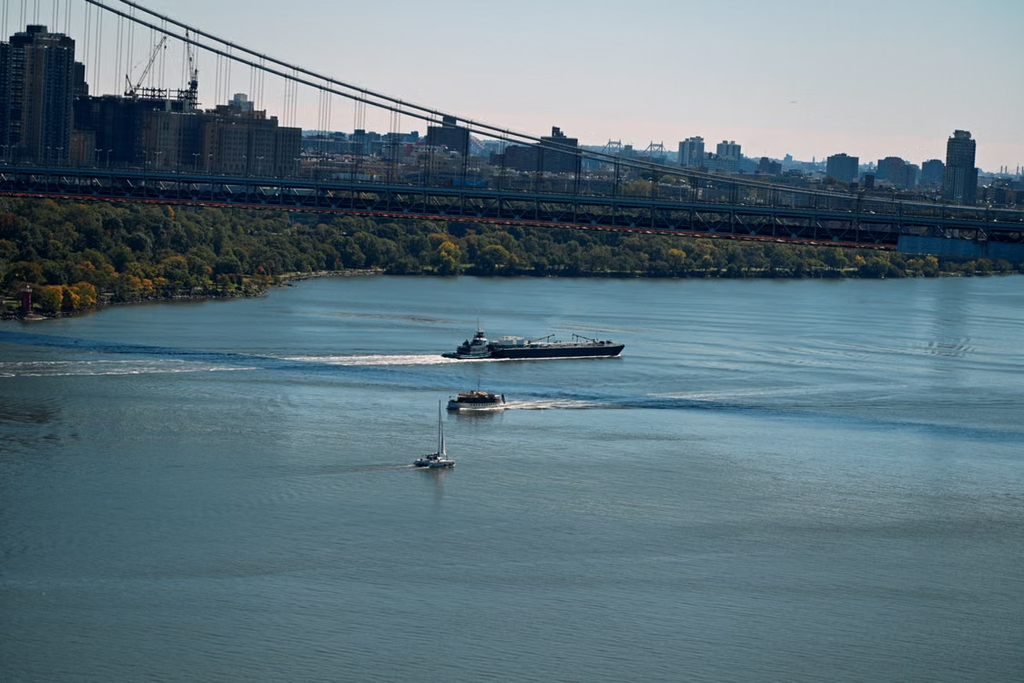
NEW YORK, NY, NOVEMBER 18, 2026 — Researchers studying the sediment cores collected from the Hudson River’s waterfront have found alarming new evidence of historically based industrial pollution. Scientists who are working on a continuing remediation project have discovered high levels of toxic chemicals that originated in manufacturing operations located near where ships were once built during the middle of the 20th century.
The environmental protection agencies (EPA) of both the state and federal government have developed a plan to conduct additional water quality monitoring on the affected portion of the river system. Marine biologists and hydrologists are very concerned about the long-term effects that persistent pollutants will have on the benthic ecosystem and its fish population.
Community Activists Demand Swift Legal Action and Increased Pace of Superfund Cleanup To Safeguard Public Health and Protect Aquatic Ecosystems. Watershed Conservation Groups in Your Area are Planning Public Meetings To Address Remediation Options and Water Safety Issues.
The municipal water supply system has confirmed to all its customers that their drinking water remains completely safe to consume. The municipal water treatment systems have implemented cutting-edge filtration systems throughout the region’s water purification plants.
Historical Context and Industrial Legacy
In historical records, there are many examples of heavy industry (e.g., manufacturing), textile dyeing and metal plating being used to discharge industrial wastes directly into the Hudson River over long periods of time. Prior to the development of today’s strong environmental laws, regulatory oversight was very limited; thus, large amounts of toxic chemicals were discharged into the groundwater as contaminants.
Environmental engineers said that removing contaminated sediment through dredging requires great care so as to avoid secondary spread of the material into the shipping lanes which are currently in use. Barges specifically designed for this purpose have containment silt curtains attached to capture the particulate materials that become suspended during the extraction process.
Elected officials encouraged federal lawmakers to find a way to fund the complete clean-up of riverbeds through the use of specifically targeted infrastructure grants, so that local communities do not bear an unfairly high tax burden for such projects.
Ecological Impact and Wildlife Restoration
Marine ecologists reported that long term chemical pollution is affecting the reproduction of indigenous striped bass and blue crabs in the estuary. The purpose of habitat restoration programs is to re-create oyster beds which remove suspended particles from the water column, provide stability for shoreline areas, and reduce erosion.
Audubon society volunteers have seen an increase in the number of migratory birds that are being sighted near recently restored wetland preserves. This is a possible sign of some level of ecological recovery despite the ongoing chemical problems.
The public awareness campaign educates recreational boaters and anglers on catch and release advisories, as well as on how to recreate safely on waterways.
Path Forward and Long-Term Remediation
The Environmental Protection Agencies made commitments for transparency in communication and thorough scientific monitoring during each phase of the multi-year Hudson River Cleanup Initiative. Scientific collaborations provide the opportunity to apply current environmental engineering methods and technologies to clean up contaminated sites.
As cleanup efforts progress, stakeholders are optimistic that the restoration of the Hudson River will improve regional biodiversity and provide recreational opportunities for coming generations.
The effects of such projects on communities are being studied by local stakeholders and regional policy analysts. Residents, business owners and other community leaders have used various methods to make suggestions regarding how the projects should proceed (e.g., community feedback meetings, municipal committees). During the process of implementing the projects, transparent communication and strict adherence to ethical principles will be critical to maintaining public confidence in the project and providing fair treatment for everyone affected by the project.
Additionally, stakeholders at the local level as well as policy analysts from the regional level are continuing to assess the long-term impacts of these changes on metropolitan areas. Community consultation meetings and hearings held by municipal committees are important opportunities for residents, business owners, and other stakeholders to share their concerns regarding these initiatives. With respect to transparency and adherence to high ethical standards during implementation, both will be critical in building public confidence and providing fair results for everyone involved in this continuing process.
As well as being able to assess the long-term impact on the metropolitan neighborhood’s system as a whole, both local stakeholders and regional policy analysts are currently examining how these changes may affect other metropolitan areas. The community feedback session and municipal committee hearing are two of many different types of forums that allow local residents, business owners, and civic leaders to express their thoughts on potential solutions to problems. Both types of forums are critical in developing effective solutions to complex issues. While the implementation of the project is underway, it is imperative to maintain open lines of communication and adhere strictly to ethical guidelines so as to ensure that all participants in this project trust each other, and that everyone participating in this project has equal opportunities to participate in this project.
Local stakeholders and regional policy analysts have also been assessing what types of long term systemic changes may result from these trends throughout metropolitan areas. There are many ways that local residents, business owners, and civic leaders can make constructive suggestions about how we can implement these ideas. Some examples include community feedback sessions and municipal committee hearings. Both of these are great opportunities for people to express their thoughts. Once we begin to see the implementation milestones of the above-mentioned trend, it is critical that we communicate clearly and follow all of the appropriate ethical guidelines. This will ensure that our communities continue to trust us and that everyone who participates in this process has equal access to positive outcomes.
In addition to the aforementioned, local stakeholders and regional policy analysts continue to review the long term systemic effects that these changes may have on metropolitan areas. Public meetings such as community feedback sessions and municipal committee hearings are providing a means for residents, businesses, and civic organizations to suggest positive solutions to the problems being experienced. Transparent communication and compliance with high ethical standards will be critical during the remaining implementation stages of the project to ensure public confidence and fairness among those who are affected by this initiative.
In addition, stakeholders in the community and regional policy analysts have begun to study the long-term systemic effects of these changes on metropolitan neighborhoods. Community feedback meetings and local government committee meetings serve as the primary venues where residents, businesses, and civic organizations can express their recommendations for the ongoing development. When implementation of the project is nearing its completion, open lines of communication and strict enforcement of ethical guidelines will continue to be critical to establishing public confidence in the project and ensuring that there are equal benefits for every individual who is a part of this continuing process.
In addition, regional policy analysts and community stakeholders are continuing to analyze the long term impacts of the development of these systems on various metropolitan areas. Public hearings and municipal committees serve as important avenues for residents, businesses, and civic leaders to offer positive suggestions regarding the development of the systems. When implementing the systems, it is critical that there is open communication and compliance with ethical standards so as to create confidence in the process and promote equitable results for each individual involved in this continuous project.
The long term systemic effects of the above mentioned issues on the many different communities within the city are being reviewed by local stakeholders as well as regional policy analysts. Public input through meetings and committee hearings allows for community members, business owners, and civic leaders to provide positive recommendations. During the transition phase of the project, transparency and ethical behavior are critical to gaining the public’s confidence and providing a fair opportunity for each person involved in the process.
In addition, local stakeholder groups and regional policy analyst organizations are examining the long-term systemic impact of these trends on various parts of the metropolitan area’s communities. Feedback sessions held by local government committees and public meetings sponsored by municipal governments offer opportunities for residents, businesses and other community stakeholders to express their thoughts about potential improvements. To maintain public confidence and provide equitable results for all participants as implementation is underway, transparency and commitment to high ethical standards must be upheld.
In addition, local stakeholder groups and regional policy analysts continue to study the long-term systemic impact of these changes on metropolitan communities. Community input sessions and municipal government hearings provide critical opportunities for residents, business owners and civic leaders to offer positive suggestions regarding the implementation process. Once the implementation milestones are met, it will be necessary to communicate with the public openly and adhere strictly to professional ethical standards in order to build confidence among community members and ensure fairness for every individual affected by this current initiative.
ABOUT THE AUTHOR

The NY Journal Newsroom is the heart of our breaking news operations. Operating around the clock, our team ensures that you are the first to know about the most urgent stories developing across the New York metropolitan area.