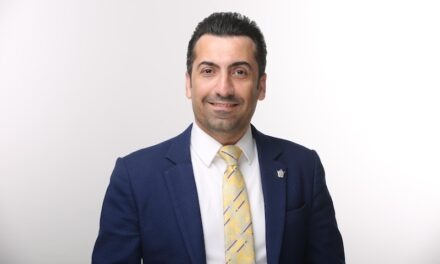
NEW YORK, NY, August 29, 2026 — Instagram has criticized the internal study, which demonstrated designs for Instagram created unhealthy comparisons among teenagers by defaulting to a different account type if a teenager’s first-ever Instagram page was publicly set up. He testified in the current federal case that examines whether Meta enticed children to be addicted to its platforms. Mosseri has been the head of Instagram since 2018.
The ‘Take a Break’ Feature
The feature — dubbed Take a Break — reminds users to take time off from the app based on designated durations of usage. Instagram first announced it in December 2021, but did not make it the default setting for teens until September 2024. The percentage of teens using the feature voluntarily was in single digits, Mosseri admitted.
In a 2021 blog, he estimated more than 90 percent of teenagers who turned the feature on left it that way. This was where the questioning focused on, discussing voluntary adoption and effective usage. Mosseri said that he wished the default had been changed sooner.
Denying Delay Allegations
Mosseri was also questioned on the almost three years between that and the rollout of defaults, by Colorado Attorney Jason Slothouber. Mosseri responded that there had been no indication that Instagram had intentionally delayed the safety change. “It introduced a slew of other features to combat troubling use by teens.”
That included Quiet Mode, an entirely separate feature that mutes calls and notifications at designated times. Mosseri positioned Take a Break as just one piece of a larger safety puzzle. Arguing about the rollout timeline of a single feature creates an incorrect impression about the overall effort of the company, he said.
Questions About Internal Practices
Slothouber asked if Mosseri was aware of any policy permitting lawyers to pre-review internal presentations before they came to him. That implication was directly countered by Mosseri himself in sworn testimony. It is not like I am trying to make my side cover up anything.
Mosseri testified before the court saying, “I want to know how it works”. “I can’t recall any moment in time where I told people not to bring me more info,” he says. He said any public information about children being safe had to be high quality and backed by experts.
The Broader Case
The trial originated from a lawsuit in which Meta had purposely created features to be addictive for young users, according to 29 states. Throughout this proceeding, Meta has repeatedly denied the allegations. The company also stands by its research indicating no substantial link between poor well-being and teen social media use.
The third week of the trial is expected to feature more testimony from Mosseri. The next few days are expected to bring additional testimony from other Meta executives. The Federal Trade Commission publishes federal guidance on protections for children online.
Mosseri, he said, could be a key witness in showing what Meta knew and when. Cross-examination is anticipated to keep covering the discrepancy between voluntary safety features and default rollouts. The verdict could influence the design of safety measures for younger users by tech companies in the future.
Some parents in the case said they hope the testimony will force more transparency regarding platform design. Meta’s overall strategy has been to highlight the voluntary safety tools that it has added over the years. Court is set to reconvene Wednesday morning, with more witnesses taking the stand.