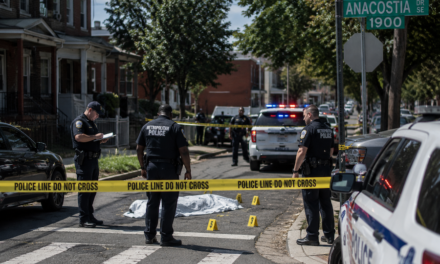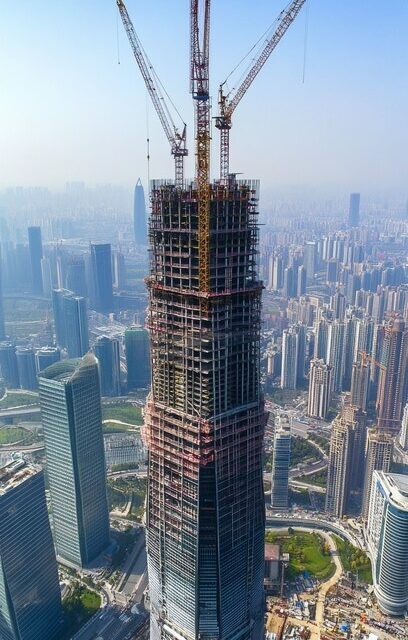
NEW YORK, July 2, 2026 — City officials have declared the 37-story high-rise at 235 East 42nd Street “stable,” effectively lifting the warning of an imminent structural collapse that had paralysed a bustling section of Mid-town Manhattan on Tuesday. Following an intense overnight operation to shore up compromised steel columns, authorities have begun allowing some residents and businesses to return to the area, though significant street closures and specific exclusion zones remain in effect.
Stabilization Success
Late Tuesday night, the NYC Department of Buildings (DOB) confirmed that emergency engineering teams had successfully halted the shifting of the tower’s frame. The crisis began Tuesday morning when workers discovered two major support columns had buckled on the 21st floor, causing upper floors to sag and debris to fall.
DOB Commissioner Ahmed Tigani announced the breakthrough at a press briefing, stating that specialised crews had installed high-capacity hydraulic jacks and welded new steel supports to relieve pressure on the failed beams.
“We have been monitoring the building for many hours and have not seen any movement,” Tigani told reporters. “I can say right now the building is stable.”
Current Status
While the immediate threat of a catastrophic collapse has subsided, the neighbourhood has not yet fully reopened. Residents from several of the nine initially evacuated buildings were permitted to return home late Tuesday night. As of Wednesday morning, five buildings closest to the construction site remain under strict evacuation orders as a precaution. This includes specific structures on East 43rd Street directly adjacent to the tower.
Major thoroughfares Second and Third Avenues have reopened to vehicular traffic, easing the gridlock that gripped East Mid-town. However, East 42nd and 43rd Streets remain closed to vehicles between Second and Third Avenues to maintain a safety perimeter for ongoing repair work.
Why Did This Happen?
With the structure secured, the focus has shifted to the cause of the near-disaster. The building, formerly the world headquarters for Pfizer, was in the midst of a complex “office-to-residential” conversion intended to create over 1,500 new apartments.
Engineers and investigators are now scrutinising whether the demolition work or the redistribution of weight during the renovation overloaded the 1960s-era steel frame. The site had already been flagged for multiple safety violations in the months leading up to the incident, a fact that Mayor Zohran Mamdani cited as “deeply concerning” as the city re-evaluates oversight for large-scale conversion projects.
Repair crews will remain on-site indefinitely to install permanent structural reinforcements.