NEW YORK, September 16, 2026 – The jump arrived quickly. On Thursday, Sept. 10, crude oil prices climbed more than 6% as new attacks on tankers near the Middle East raised fears that an already strained energy market could face deeper disruptions.
Brent crude futures settled at $107.63 a barrel, up $6.42, or 6.34%, according to reports. West Texas Intermediate, the U.S. benchmark, rose $6.43, or 6.69%, to settle at $102.48. Both contracts moved above $100 for the first time in months, turning a geopolitical crisis into a potential household expense. Reports show that the attacks represented the biggest escalation in shipping strikes since the conflict began.
There is nothing complicated about this worry; the oil market depends on a transport network that makes the commodity susceptible to any sign of a problem, even a perceived one, because such signs will cause traders to incorporate scarcity into their pricing models. The Strait of Hormuz, where the Persian Gulf meets international shipping lanes, is especially volatile.
The determination of oil prices does not just hinge on a physical reduction in the available supply of oil. There is a lot more involved, including perceptions. Oil traders react to insurance rates, re-routed tankers, delayed shipments, and worries that a small clash might turn bigger. The “fear premium” may precede any fuel shortage at the pump.
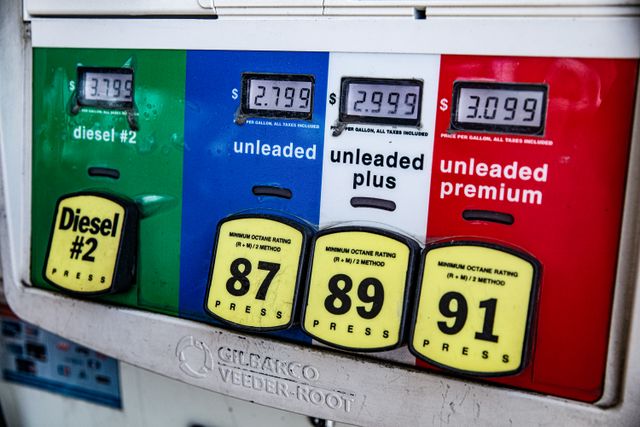
Drivers could already feel the pinch. According to the American Automobile Association, the national average price for regular gasoline rose to $4.27 per gallon by Sept. 10, which is 13 cents higher than the previous week’s price as oil prices kept rising. AAA’s fuel-price data shows how quickly wholesale anxiety can filter into pump prices.
The impact is not confined to the family’s vehicle for the average household. The higher cost of gas translates into higher costs for delivery of products, higher airline and transportation firms’ expenses, and higher costs of transported items around the country. Smaller firms with thin profit margins are at risk too. The local bakery might not need crude oil, but its costs include flour delivery, commuting of the employees, and energy costs from the larger oil market.
However, a price shock of $100 per barrel of oil is by no means certain. If shipping lanes are open again, there are fewer attacks or more production, futures prices can fall. Vice versa, if a disruption persists, it will be hard to keep prices down.
The uncertainty involved is what makes the price spike unsettling. Space is not an asset for the markets, but there is plenty of it after the events in the Middle East. It is not known how much cargo would be delayed, if more tankers would be attacked or how the situation would be met by governments.
The White House and other important consumers of energy could rely on their strategic reserves, diplomatic efforts or special shipping solutions if the situation tightens. For producers, however, the decision is tough: to raise production levels and ease prices, but risk running out of buffer capacity.
For now, consumers watch the price at the pump. A barrel of oil is simply a measurement on a trading screen until it translates into a more difficult commute, higher transport costs, or yet another unwanted price tag at the grocery store.
The obvious lesson is a harsh one. Energy security is not just a matter of global oil production levels. It is also a question of safe transit, secure supply lines, and whether or not a local dispute can be kept local.