NEW YORK, September 30, 2026 – President Donald Trump has rejected an Iranian proposal for a seven-day pause in hostilities and the reopening of the Strait of Hormuz, while U.S. officials say he expects American airstrikes against Iran to resume after the November midterm elections.
Agha-Araghchi’s proposal, which came during negotiations related to the United Nations General Assembly session in New York, aimed at setting a timeline for the resumption of commercial shipping through the vital waterway. According to the proposal, Iran claimed that the waterway can be normalized within seven days if Washington agrees to meet certain criteria such as unfreezing Iranian money, reducing oil sanctions, and ending the U.S. military blockade of Iranian ports.
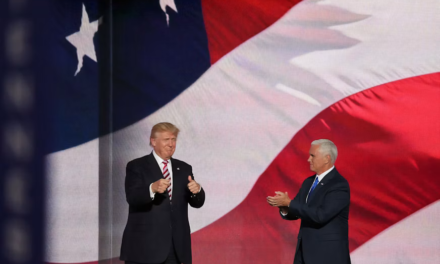
Trump rejected the proposal and termed it unacceptable. Addressing journalists, he said Iran was looking for a deal on reopening the waterway because its position was weak, adding that America had total control of the waterway.
“I’m rejecting their deal,” Trump said. He added that he favored negotiations in principle, but not the terms proposed by Tehran.
However, Iran was still calling for diplomacy at the time it rejected Trump’s offer. Araghchi referenced Trump’s statements on Telegram but pointed out that Iran is still waiting for an official response from the president via mediation, not in his public statements. Araghchi had previously stated that the conditions for reopening the strait are stated in a memorandum of understanding that both nations have signed.
That distinction matters. Public rhetoric may have hardened, but the diplomatic channel has not completely disappeared.
The reality behind the curtain seems much grimmer, though. According to officials quoted, President Trump believed that Iran would fail to meet his demands, and had even instructed his aides about an impending bombing run once the midterms were out of the way. The news further reported that the offer of the Iranians was conditional on a new set of talks on the nuclear program and relief from economic sanctions which had badly hurt their economy.
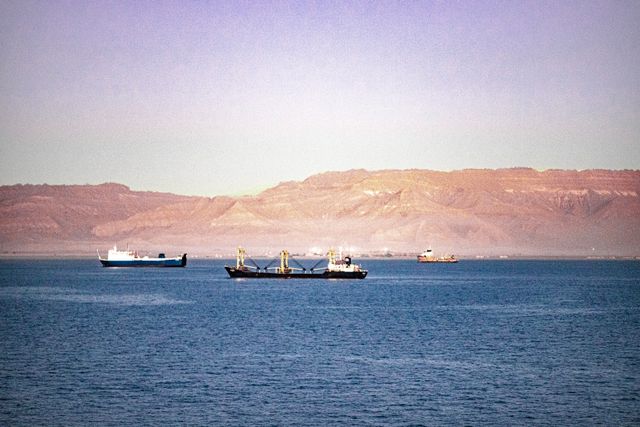
Strait of Hormuz is a very important yet narrow passage linking the Persian Gulf to the international shipping lanes. Almost one-fifth of the world’s fuel needs travel through this strait on a normal day, which means that a prolonged closure of the passage is likely to affect the cost of shipping, fuels, and even our daily life expenses. Both Iranian and American officials have been offering completely opposing views of who controls the strait.
While the Iranian plan included an intention of building up momentum, the first U.S. concession after four or five days, the opening of the sea passage after seven days, and later negotiation, the U.S. administration sees the offer as an effort to gain some economic benefits before responding to American demands.
The two different views leave no room for the next move. The Iranians will not give in to their conditions; Trump has refused the deal; and mediators have yet to get an official reply that would indicate whether there are any chances for future negotiations.
For the moment, the strait has turned from merely a shipping lane into a pressure point in an escalating confrontation.